

Choosing the best treats for pitbull puppies isn’t as simple as grabbing whatever’s on the shelf. These puppies grow fast, teethe hard, and can gain weight quickly if you overdo it. This guide breaks down what’s safe, how much to give, and what most owners get wrong.
Why Pitbull Puppies Have Unique Treat Needs
Pitbulls aren’t built like a Chihuahua or a Labrador. They pack serious bite force onto a small frame early in life, and their jaw muscles develop faster than their skeletal structure catches up. That mismatch matters when you’re picking a chew.
Rapid Growth and Bite Force Development
A pitbull puppy can double its body weight in the first two months alone. Their jaw strength develops ahead of their joints, which is one reason vets flag this breed for early orthopedic issues if growth isn’t managed carefully. [canine growth rate and skeletal development research]
The Teething Timeline
Puppies lose their baby teeth starting around 12 weeks and finish getting adult teeth by 6 to 7 months. During this window, gums are sore and puppies chew on anything to relieve pressure. Give them the wrong texture — too hard, too small — and you risk a cracked baby tooth or a swallowing hazard.
Why Pitbulls Gain Weight Early
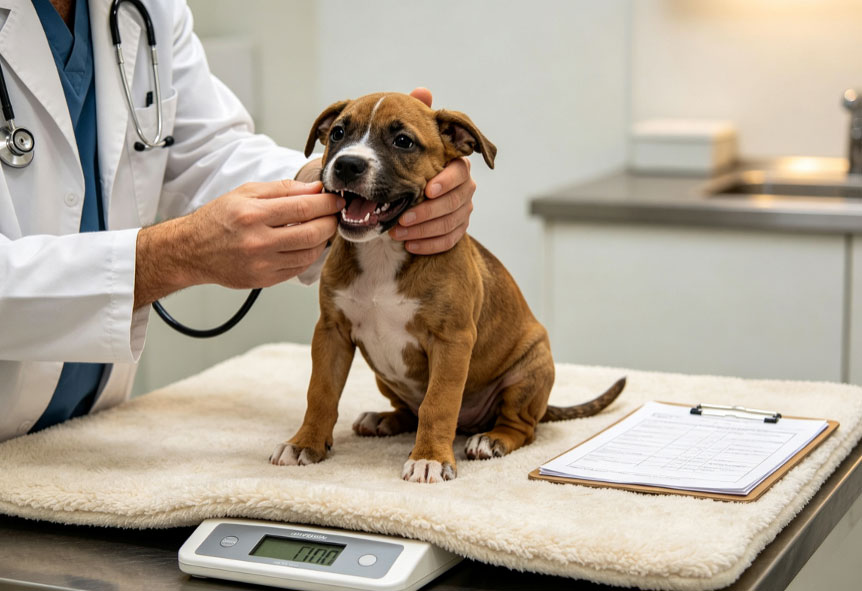
This breed is prone to carrying extra weight, and it starts young. A few extra treats a day doesn’t sound like much, but for a 15-pound puppy, it adds up fast. Weight gained now puts pressure on joints that are already working overtime to keep up with muscle growth.
What to Look for Before You Buy
Not every “natural” label means safe. Here’s what actually matters.
Ingredient Red Flags
Skip anything with added sugar, salt as a preservative, or artificial coloring. Xylitol — sometimes labeled “birch sugar” — is the one that should stop you cold. It’s lethal to dogs in small amounts and shows up in some peanut butter and low-calorie treats marketed as healthy.
Size and Choking Hazard by Weight
A treat sized for a 40-pound adult pitbull can choke an 8-week-old puppy. Match the treat to your puppy’s current weight, not the breed’s adult size. Smaller, softer pieces work better until your puppy has a full set of adult teeth.
What “All-Natural” Actually Means Under AAFCO
The Association of American Feed Control Officials sets ingredient and labeling standards for pet treats in the US, but “all-natural” isn’t a regulated term the way “organic” is for human food. [AAFCO pet food and treat labeling standards] Read the ingredient list, not the front-of-bag marketing.
Comparison Table: Ingredients to Avoid vs. Safe Alternatives
| Ingredient to Avoid | Risk Level | Safer Alternative |
|---|---|---|
| Xylitol / birch sugar | High | Plain peanut butter (xylitol-free) |
| Propylene glycol | Medium | Glycerin-based soft treats |
| Added salt/sodium | Medium | Freeze-dried single-protein treats |
| Rawhide (splintering risk) | Medium-High | Bully sticks or collagen chews |
| Cooked bones | High | Raw, vet-approved bones only |
Best Treats for Pitbull Puppies by Purpose
Not every treat serves the same job. Training, teething, and snacking call for different picks.
Best Training Treats for Pitbull Puppies
Training treats need to be small, low-calorie, and fast to eat. You’re rewarding behavior, not feeding a meal. Look for treats under 3 calories each so you can reward often without overfeeding. Freeze-dried liver and small soft training bites work well because puppies can eat them in one bite and get back to training.
puppy training and positive reinforcement guide
Best Teething and Chew Treats
Skip anything rock-hard during the teething window. Frozen carrots, softened bully sticks, or specifically designed puppy teething chews give relief without risking a cracked tooth. Wait until most adult teeth are in — usually past 6 months — before introducing harder chews like antlers or thick bully sticks.
Best Grain-Free and Hypoallergenic Options
Some pitbull puppies show skin sensitivity early, often showing up as itchy paws or ear irritation. If you notice this, single-protein, grain-free treats reduce the number of variables you’re dealing with. Duck, venison, or rabbit-based treats work well as elimination options since they’re less common allergens than chicken or beef.
Best Homemade and Human-Food Treats
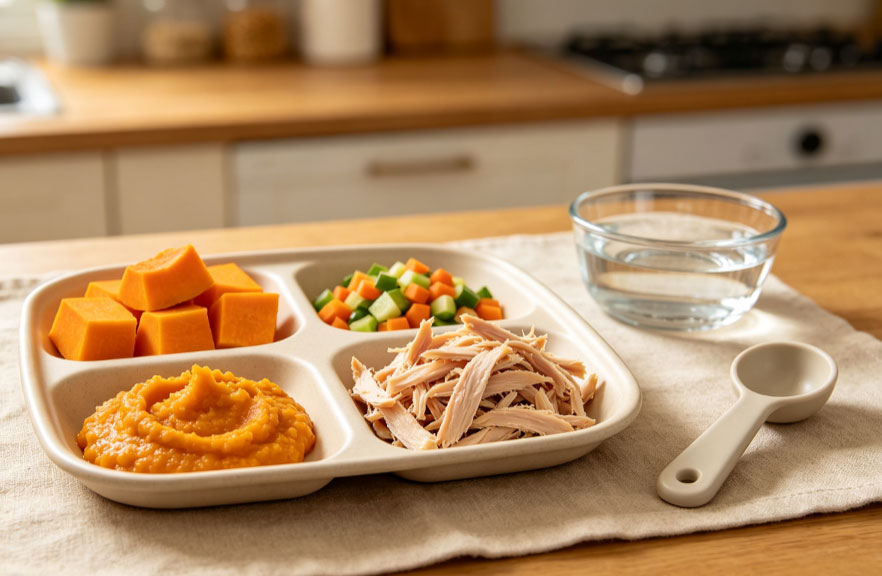
Boiled chicken, plain pumpkin, and small pieces of apple (no seeds) are safe in moderation. Keep portions small — a tablespoon of pumpkin or a few small chicken chunks, not a handful. Avoid anything seasoned, and never give grapes, raisins, or avocado.
How Many Treats Can You Give a Pitbull Puppy?
This is the part most guides skip, and it’s the one that actually prevents weight problems down the line.
The 10% Rule
Veterinary nutritionists generally recommend treats make up no more than 10% of a puppy’s daily caloric intake. [pet obesity and treat feeding guidelines] Go over that regularly, and you risk unbalancing their diet even if the food itself is high quality.
Portion by Puppy Weight
| Puppy Weight | Daily Treat Calorie Limit | Approx. Training Treats/Day |
|---|---|---|
| 5–10 lbs | 15–25 calories | 8–10 small pieces |
| 10–20 lbs | 25–45 calories | 10–15 small pieces |
| 20–35 lbs | 45–70 calories | 15–20 small pieces |
| 35+ lbs | 70–100 calories | 20–25 small pieces |
Adjust down if your puppy is already on the heavier end for their age, and check with your vet if you’re unsure where that line sits.
What NOT to Feed Your Pitbull Puppy
Toxic Foods List
Xylitol, grapes, raisins, onions, garlic, and avocado are all dangerous, some in very small amounts. Keep these out of reach entirely rather than assuming “a little bit is fine.”
Why Cooked Bones Are Dangerous
Cooking changes the structure of bone, making it brittle. Instead of breaking into safe pieces, cooked bone splinters into sharp shards that can tear the gut lining or cause a blockage. This is different from raw bone, which behaves more predictably under chewing pressure.
Choking and Emergency Signs
Watch for pawing at the mouth, gagging, or sudden distress after chewing. If a piece gets lodged, don’t waste time — check for visible obstruction first, and if you can’t clear it safely, get to an emergency vet immediately.
pet first aid and choking emergency response
Common Mistakes Pitbull Puppy Owners Make
Overtraining With Too Many Treats
Long training sessions with constant rewards add up quickly. Break sessions into shorter blocks and use smaller treat pieces to keep calorie intake in check.
Introducing Hard Chews Too Early
A puppy with a mouth full of loose baby teeth doesn’t need an antler. Wait until the teething phase passes before moving to denser chews.
Ignoring Allergy Symptoms
Itchy paws, red ears, or frequent scratching after a new treat isn’t “just a phase” — it’s often a food response worth tracking and adjusting for.
Frequently Asked Questions
When can pitbull puppies start eating bully sticks?
Once most adult teeth are in, usually around 6 months. Before that, stick to softer versions or supervise closely.
Are rawhide treats safe for pitbull puppies?
Rawhide can splinter and poses a choking risk. Bully sticks or collagen chews are a safer substitute with similar chewing satisfaction.
Can pitbull puppies eat peanut butter every day?
In small amounts, yes — as long as it’s xylitol-free. Daily use should stay within the 10% treat calorie rule.
How do I know if my puppy is allergic to a treat?
Watch for itchy skin, ear redness, or digestive upset within 24–48 hours of a new treat. Remove it and consult your vet if symptoms persist.
Final Takeaways
Safety comes first, chew durability second, nutrition third. Match treats to your puppy’s current weight and dental stage, not their expected adult size. Track how many calories come from treats, not just what kind you’re giving. Small adjustments now prevent bigger problems — weight gain, dental damage, allergic flare-ups — later.
Disclaimer: This article is for informational purposes only and does not replace professional veterinary advice. Always consult your veterinarian before introducing new treats or making changes to your puppy’s diet.