

Can dogs be picky eaters, or is something else going on? If your dog sniffs their bowl and walks away, you’re stuck between two fears: wasting money on food they’ll never touch, or missing a real health problem. This guide gives you a clear answer, a 24-hour safety window, and fixes that actually work.
Can Dogs Really Be Picky Eaters? (Myth vs. Fact)
Yes. Dogs can genuinely prefer certain textures, flavors, or feeding routines the same way people do. But “picky” only describes a pattern, not a diagnosis. The real question isn’t whether your dog is picky — it’s whether the behavior is a preference or a symptom.
What Counts as Normal Appetite Variation
A dog skipping one meal, eating slower on a hot day, or losing interest in food that’s sat out too long is normal. Appetite naturally dips with age, activity level, and season. What’s not normal is a pattern that repeats for days without an obvious trigger.
Behavior or Symptom? Why the Distinction Matters
Behavioral pickiness is learned — usually from inconsistent feeding or too many treats. Medical anorexia is a symptom of pain, nausea, or organ stress. Treating a medical issue like a behavior problem delays care your dog actually needs.
| Factor | Behavioral Pickiness | Medical Anorexia |
|---|---|---|
| Onset | Gradual, tied to routine changes | Sudden, often overnight |
| Energy level | Normal, playful | Lethargic, withdrawn |
| Water intake | Unchanged | Increased, decreased, or absent |
| Weight | Stable over weeks | Dropping noticeably |
| Duration | Comes and goes | Persistent, worsening |
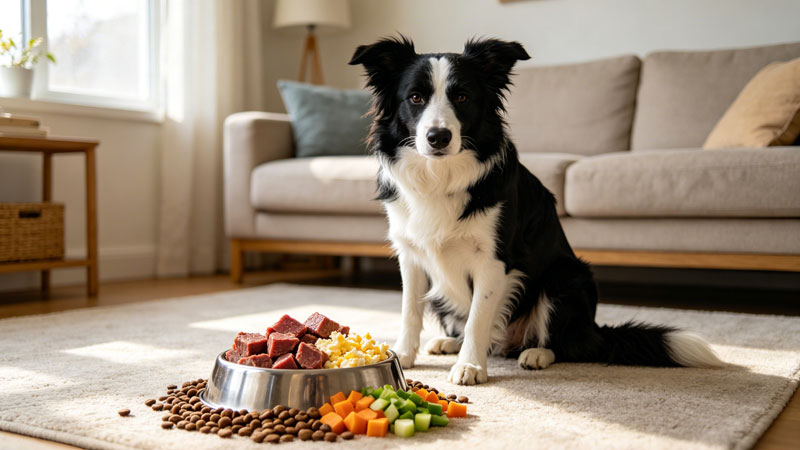
7 Signs Your Dog Is a Picky Eater
- Food abandonment — they approach the bowl, sniff, then walk away
- Selective eating — they pick out favorite pieces and leave the rest
- Grazing — meals stretch out over 30+ minutes instead of finishing in one sitting
- Hand-feeding dependency — they’ll only eat if you feed them directly
- Demanding mix-ins — plain kibble gets ignored unless something’s added
- Treat preference — treats disappear instantly, meals don’t
- Meal skipping — one meal a day gets eaten, the other gets ignored
Toy breeds and working breeds show this differently. Smaller dogs are often less food-driven by nature — food isn’t their main motivator, attention is. Scent hounds and retrievers, bred to work for food, are more likely to eat anything in front of them. If your Chihuahua turns up their nose, that may just be temperament, not a problem.
Why Is My Dog Suddenly a Picky Eater? 9 Causes
Treat overload. High-value treats between meals ruin appetite at dinner. If your dog gets cheese or jerky during training, regular kibble looks unappealing by comparison.
Age. Puppies test new textures cautiously. Seniors may develop dental pain or a weaker sense of smell, both of which reduce interest in food.
Stress and routine disruption. Moving, a new pet, or a schedule change can suppress appetite for three to five days through stress hormones alone.
Boredom. Dogs eating the same flavor for months can lose enthusiasm, even without any health issue.
Spay or neuter recovery. Metabolic changes after surgery can shift appetite temporarily, and pain medication often suppresses hunger for a few days post-op.
Medication side effects. Several common prescriptions, including some antibiotics and pain relievers, list reduced appetite as a documented side effect.
Dental pain. A cracked tooth or gum disease makes chewing uncomfortable, so dogs avoid hard kibble specifically.
GI issues. Nausea from reflux or a sensitive stomach can make a dog avoid food entirely rather than eat selectively.
Underlying illness. Kidney disease, liver issues, and some cancers list appetite loss as an early, easy-to-miss symptom.
veterinary guidelines on appetite loss in dogs
When Picky Eating Becomes an Emergency: The 24-48 Hour Rule
This is the part most guides skip, and it’s the part that matters most.
How Long Can a Dog Safely Go Without Eating?
A healthy adult dog can typically go 24-48 hours without food with no lasting harm, as long as they’re drinking water and acting normal otherwise. Puppies, toy breeds, and dogs with diabetes are different. Small and young dogs can develop dangerously low blood sugar in as little as 12 hours without food. Diabetic dogs need food timed with insulin, so any skipped meal needs a vet call the same day.
Red Flags That Need Same-Day Vet Care
Call your vet immediately if not-eating comes with any of these:
- Vomiting or diarrhea
- Lethargy or hiding
- Increased or absent water intake
- Visible weight loss
- Bloated or painful abdomen
- No urination
None of these alone means panic. Together with skipped meals, they mean a same-day appointment, not a wait-and-see week.
Body Condition Score: A Home Check That Actually Works
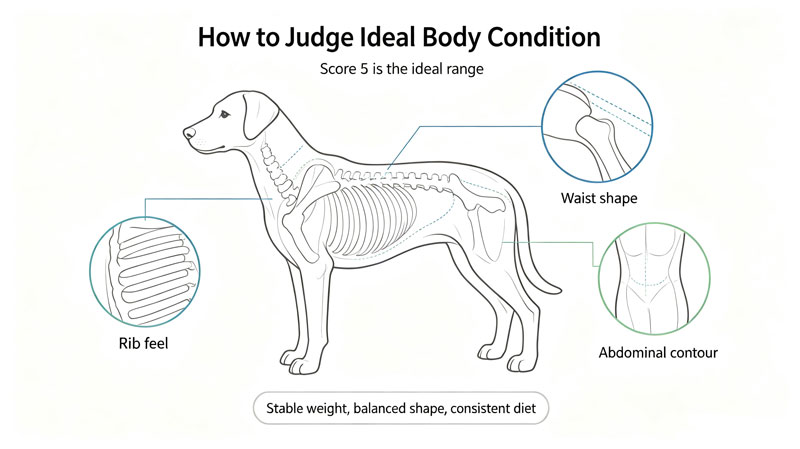
Run your hands along your dog’s ribs. You should feel them easily under a thin layer of fat, without seeing them. A visible waist from above and a slight abdominal tuck from the side are both good signs. If ribs become easy to see, or the waist disappears into a straight line, weight loss has already started — track it weekly, not monthly.
How to Get a Picky Eater Dog to Eat: 8 Fixes That Work
- Set a strict schedule. Feed at the same times daily, leave food down 15-20 minutes, then remove it.
- Cut out free-feeding. A bowl available all day kills hunger cues.
- Warm wet food or add broth to kibble. Aroma drives appetite more than flavor alone.
- Use a puzzle feeder. Slowing down eating re-engages dogs who’ve gone through the motions too long.
- Feed somewhere quiet. A busy kitchen isn’t relaxing if there’s foot traffic or other pets nearby.
- Eliminate between-meal treats for at least a week to reset expectations.
- Time exercise before meals, not after. A short walk before dinner stimulates hunger.
- Rotate proteins within the same brand line monthly, introduced gradually over 7-10 days.
Best Dog Food for Picky Eaters: What Actually Matters
Texture beats flavor for most picky dogs. A dog rejecting dry kibble might eat the same protein in a wet or semi-moist form without hesitation. When switching foods, follow a gradual ratio: 25% new food for two days, 50% for two more, 75% for two more, then 100%. Rushing this is the most common reason a food switch backfires with loose stool or renewed refusal.
Rotational feeding — cycling between two or three proteins — works well for bored eaters but can backfire for dogs with sensitive stomachs. If your dog has any history of GI issues, stick to one protein and vary only the format (wet vs. dry).
Preventing Picky Eating From the Start
Feed puppies on a fixed schedule from week one. Don’t offer alternatives the first time they refuse a meal — that single decision teaches holding out for something better. Keep treats to genuine training rewards, not snacks, and your dog is far less likely to develop selective eating habits later.
Frequently Asked Questions
Can dogs be picky eaters, or is it always a health problem?
Both are possible. Most picky eating is behavioral and fixable with routine changes. It becomes a health concern only when paired with weight loss, lethargy, or other red flags.
How long can a dog go without eating before it’s dangerous?
Healthy adults tolerate 24-48 hours safely if drinking water. Puppies, toy breeds, and diabetic dogs need vet attention much sooner — within 12-24 hours.
Is it normal for my dog’s appetite to change with the seasons?
Yes. Many dogs eat less in hot weather and more in winter. This is normal as long as weight stays stable.
Should I mix human food into my dog’s meals to encourage eating?
Occasional plain, dog-safe additions like broth are fine. Regular table scraps teach dogs to hold out for better food and can unbalance their diet.
Can spaying or neutering cause long-term appetite changes?
Short-term appetite dips after surgery are common and temporary. Appetite changes lasting more than two weeks post-recovery warrant a vet check.
Disclaimer: This article is for informational purposes only and does not replace professional veterinary advice. If your dog shows any red flag symptoms mentioned above, contact your veterinarian promptly.