

Learning how to become a dog influencer takes more than cute photos and a catchy username. It takes a strategy that matches how Instagram and TikTok actually work today, plus a grasp of the legal rules most creators skip. This guide covers growth, monetization, and compliance — the full picture, not just the fun parts.
What It Actually Takes to Become a Dog Influencer
Growth is slower than most people expect. Accounts that reach 10,000 followers usually post consistently for six to twelve months before momentum kicks in. Past 50,000, growth often depends less on luck and more on partnerships, cross-promotion, and a defined niche.
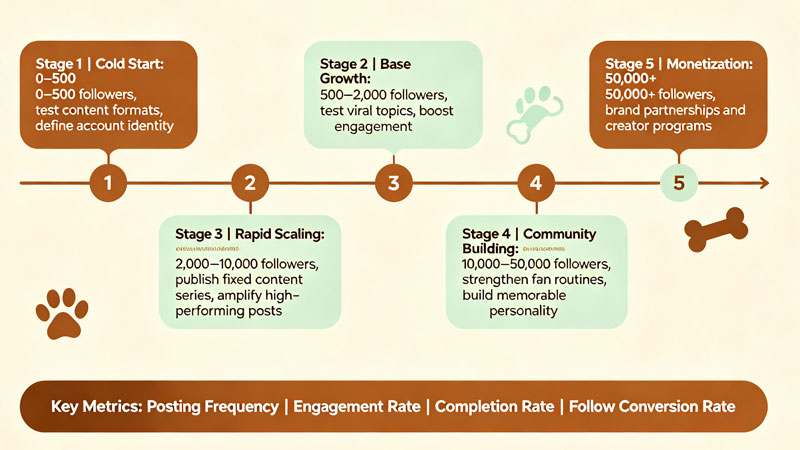
Micro-influencers (1,000–50,000 followers) often see stronger engagement rates than large accounts, which makes them attractive to smaller pet brands working with limited budgets. Macro accounts (100,000+) get bigger checks but face more competition for brand attention. Neither path is automatically better — it depends on what you want out of it.
Choosing Your Dog’s Niche and Brand Identity
A theme isn’t just personality — it’s a business decision. Training-focused accounts, adventure/hiking dogs, and specific breed communities (like doodles or French Bulldogs) tend to attract higher-paying brand categories than general “cute dog” content, because the audience is more targeted.
Writing a Bio That Converts
Keep it short. State the dog’s personality in one line, add a location or niche hook, and close with a call to action (link in bio, email for collabs). Avoid trying to be funny at the expense of clarity — brands scan bios fast.
Naming Your Account Without Legal Headaches
Check that your handle doesn’t overlap with a registered brand name or an existing trademark. A name clash can force a rebrand later, which resets your search visibility and confuses existing followers. Run a quick trademark search before you commit.
Content Strategy That Works in 2026
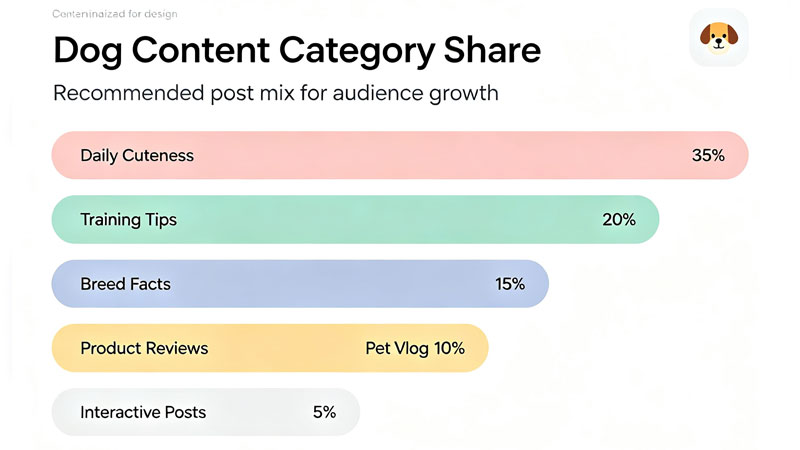
Short-form video now drives the majority of discovery on Instagram and TikTok. Static photos still matter for feed aesthetics, but Reels and short clips are what get new accounts in front of non-followers.
Hashtags: What Still Works
Hiding hashtags in the first comment or stuffing captions with 30 tags is largely outdated and can flag an account as spammy under current platform detection. A tighter set of 5–8 relevant, specific hashtags performs better than a wall of generic ones.
Meta’s official Instagram algorithm explainer
Posting Frequency
Three to five posts a week, with daily Stories, tends to outperform sporadic high-volume posting. Consistency signals an active account to the algorithm — a burst-and-disappear pattern doesn’t.
Growing Without Engagement Pods
Older tactics like comment pods now carry real risk of reduced reach or account flags. A better long-term move: genuinely engage with 15–20 accounts in your niche daily, and build real relationships instead of reciprocal-like arrangements.
Instagram growth strategies for pet accounts
Building Community Without Burning Out
Move deeper networking off-platform — a private group chat or Discord server with other dog accounts works better than public pods and won’t trigger spam detection. Set boundaries early on what you’ll share publicly versus keep private; oversharing to chase engagement is a fast route to burnout.
Negative comments happen. The accounts that handle criticism best respond calmly, correct real mistakes (like an unsafe product or training method), and don’t engage with bad-faith trolls.
How Dog Influencers Actually Make Money
Comparison: Typical Monetization by Follower Range
| Follower Range | Common Deal Type | What Brands Expect |
|---|---|---|
| 1K–10K | Product gifting, small affiliate deals | Authentic reviews, niche audience |
| 10K–50K | Paid single posts, ambassador programs | Consistent posting, engaged audience |
| 50K–100K+ | Long-term contracts, campaign takeovers | Media kit, analytics, negotiation |
Rates vary widely by niche and engagement rate, not just follower count. An account with 8,000 highly engaged followers in a specific niche can out-earn a 30,000-follower generalist account.
Building a Media Kit Brands Will Actually Open
A solid media kit includes: audience demographics, average engagement rate, past brand collaborations, content examples, and clear rate ranges. Keep it to one page. Brands skim.
Where Partnerships Come From
Pet brand marketplaces, direct outreach via email (not DMs), and pet-specific influencer agencies are the three main channels. Cold outreach works better with a short, specific pitch than a generic “I love your brand” message.
Legal and Compliance Essentials Every Dog Influencer Needs
This is the part most guides skip, and it’s the part that protects your account long-term.
FTC Disclosure Rules
The FTC’s Endorsement Guides require disclosure of any material connection with a brand — payment, free product, or a personal relationship — regardless of how small the benefit is. Disclosures need to be clear and hard to miss, ideally at the start of a caption rather than buried after a “more” cutoff. Platform tools like Instagram’s “Paid Partnership” label alone may not always meet this bar; adding #ad or #sponsored directly in the caption is the safer standard.
FTC Endorsement Guides official guidance
Contract Basics Before You Sign
Read for exclusivity clauses (can you post for competitors?), usage rights (how long can the brand use your content, and where?), and payment timelines. Don’t sign the first draft — asking for revisions is normal, not rude.
Responsible Content: Collars, Costumes, and Poses
Content showing aversive training tools, distressed body language, or unsafe poses draws real criticism and can damage trust fast. When in doubt, check with a certified trainer or vet before posting content involving equipment or techniques you’re not fully confident about.
Common Mistakes That Stall Growth
- Posting inconsistently, then disappearing for weeks
- Ignoring analytics — not knowing which posts actually perform
- Accepting every brand deal regardless of fit
- Skipping FTC disclosure on gifted products
- Copying a competitor’s exact aesthetic instead of building a distinct one
Frequently Asked Questions
How many followers do you need to become a dog influencer?
There’s no fixed minimum. Brands increasingly work with accounts under 10,000 followers if engagement is strong and the niche fits.
Can any dog breed become an Instagram influencer?
Yes. Breed matters less than consistent, high-quality content and a clear niche.
Do dog influencers need a business license?
If you’re earning regular income, most US states require you to report it, and some require a business registration depending on your setup. Check with a local accountant.
How do taxes work for pet influencer income in the US?
Payments, gifted products above a certain value, and affiliate income generally count as taxable income and should be tracked year-round, not just at tax time.
Is it too late to become a dog influencer in 2026?
No. Niche and engagement quality matter more now than raw follower count, which actually opens the door for smaller, focused accounts.
Disclaimer: This article is for general informational purposes only and does not constitute legal, financial, or tax advice. Consult a qualified attorney or accountant for guidance specific to your situation, and refer to the FTC’s official guidance for current disclosure requirements.