

Do Greenies work for dogs, or are you just paying for a green bone-shaped snack? That’s the question every owner asks while standing in the pet aisle. The short answer: yes, but only under specific conditions most bags don’t mention. This guide breaks down the real research, the risks nobody talks about, and exactly when Greenies aren’t the right call for your dog.
What Are Greenies, Exactly?
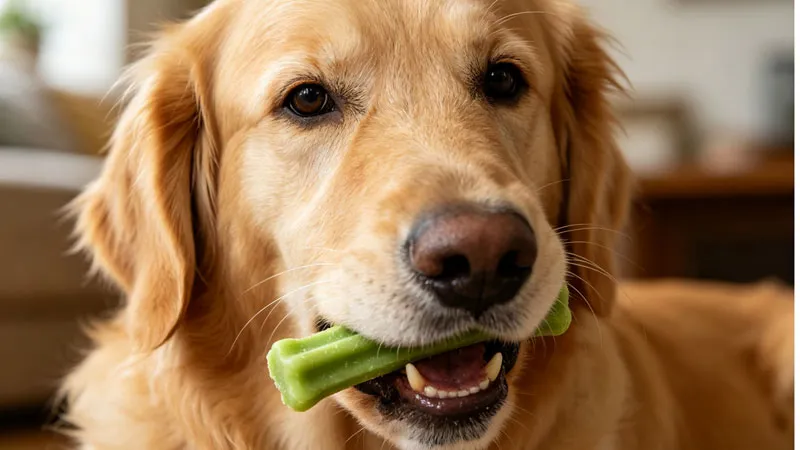
Greenies are edible dental chews shaped to scrape plaque off teeth as your dog gnaws. The texture matters more than the flavor here. Each chew is firm enough to create friction against the tooth surface but soft enough to break down as your dog works through it.
The Core Ingredients Explained
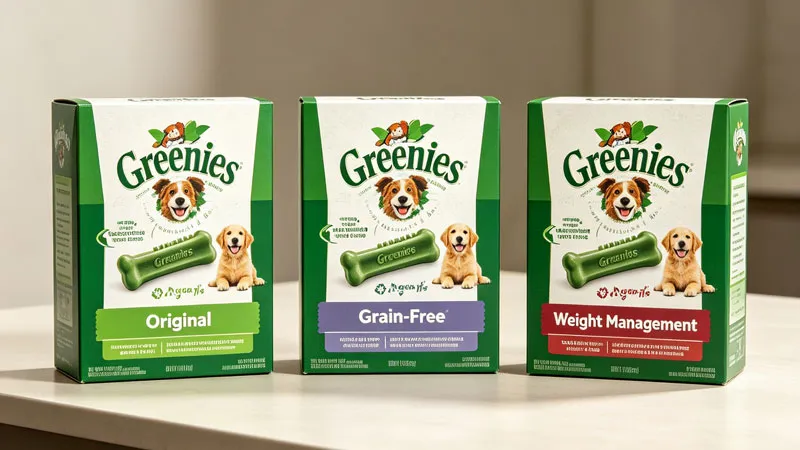
The Original formula runs on wheat flour, wheat protein isolate, glycerin, and gelatin, bound together with vitamins and minerals. Grain-free versions swap wheat for pea or chickpea flour instead. Neither version is inherently better — it depends on whether your dog tolerates grain.
Original vs. Grain-Free vs. Weight Management
Weight management formulas run fewer calories per chew, which matters for smaller dogs where a single treat can eat up 10% of daily intake. Puppy formulas use a softer texture built for teeth that haven’t fully come in yet.
Do Greenies Work for Dogs? Here’s the Actual Evidence
This is where most articles get vague. Let’s not do that.
The VOHC Seal — What It Certifies and What It Doesn’t
Greenies carry the Veterinary Oral Health Council seal for select formulations. That seal confirms a product meets a specific bar for reducing plaque or tartar in controlled trials. It doesn’t mean the product prevents periodontal disease or replaces a cleaning. Read the seal for what it is: a manufacturing claim verified by a third party, not a guarantee of full dental health.
VOHC’s official list of accepted products
Plaque Prevention vs. Tartar Removal
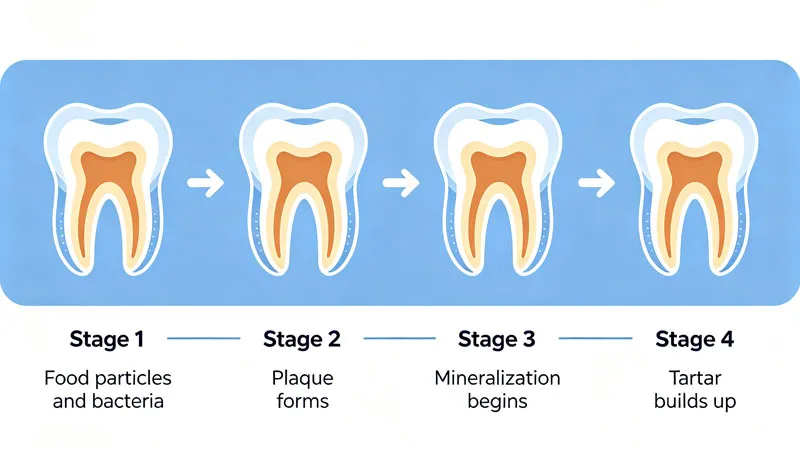
Chewing reduces new plaque buildup. It does not dissolve tartar that’s already hardened, and it does nothing for buildup below the gumline. If your dog already has visible tartar, a daily chew slows progression — it doesn’t reverse what’s there. That distinction gets lost in most marketing copy, and it’s the single biggest misunderstanding owners have about dental chews.
Are Greenies Safe for Dogs? The Risks Worth Knowing
Safety depends entirely on your specific dog, not the product label.
Choking and Obstruction
The biggest documented risk is gastrointestinal obstruction in dogs that swallow large pieces instead of chewing them down. This is a real surgical emergency, not a rare fluke. It happens most often with dogs that gulp food, or when an owner sizes down to save money and gives a chew meant for a bigger dog.
High-Risk Groups Most Guides Skip
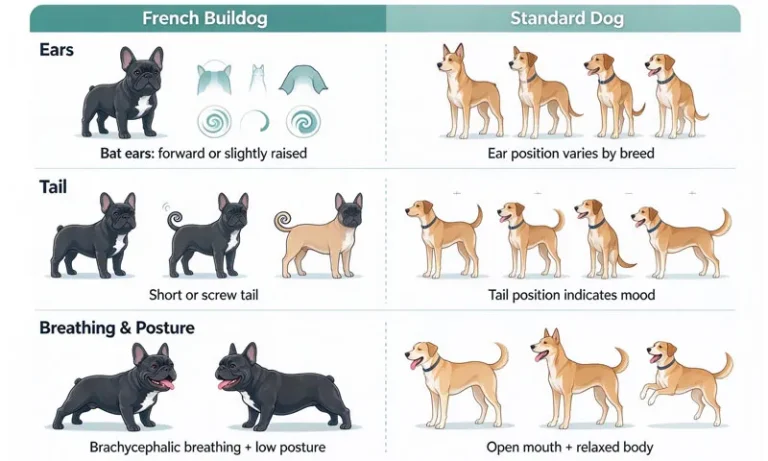
Flat-faced breeds — bulldogs, pugs, boxers — chew differently because of their jaw structure, and that changes how a Greenie breaks apart in their mouth. Puppies under six months don’t have the jaw development to handle one safely. Dogs on certain medications or with a history of pancreatitis should get a vet’s input first, since added fat and calories can complicate existing conditions.
Puppy dental care routine before six months
What to Do If Your Dog Swallows a Greenie Whole
This scenario happens more often than product pages admit, and it deserves a straight answer.
Watch for These Signs
Vomiting, refusing food, a swollen belly, or noticeable lethargy within 24 hours are red flags. A dog that’s acting completely normal after swallowing a large piece still needs monitoring, not a shrug.
When to Call the Vet Immediately
Repeated vomiting or visible distress means an emergency visit, not a wait-and-see approach. If your dog seems fine but you’re unsure, a same-day call to your vet costs nothing and rules out the worst case.
ASPCA Animal Poison Control emergency guidance
How Often Should You Give Your Dog Greenies?
Once a day is the standard recommendation, and there’s a reason it’s not “as many as your dog wants.”
Matching Size to Weight
| Dog Weight | Recommended Size | Approx. Calories | % of Daily Intake (avg.) |
|---|---|---|---|
| 5–15 lbs | Teenie | 24–26 kcal | 8–10% |
| 15–35 lbs | Petite/Regular | 45–95 kcal | 5–8% |
| 35–75 lbs | Large | 190 kcal | 4–6% |
| 75+ lbs | Jumbo | 270 kcal | 3–5% |
Sizing up rarely causes harm. Sizing down for a bigger dog increases gulping risk, since the chew breaks apart faster than intended.
Greenies vs. Other Dental Chews: An Honest Comparison
If you’re weighing alternatives, here’s how the main options actually stack up.
| Option | VOHC Approved | Ingredient Complexity | Best For |
|---|---|---|---|
| Greenies | Yes (select lines) | Moderate | Owners wanting a convenient daily habit |
| Bully Sticks | No | Very low | Dogs with grain sensitivities |
| Whimzees | Yes | Moderate | Dogs needing grain-free options |
| Raw Bones | No | None (unprocessed) | Owners comfortable with supervised gnawing |
| Daily Brushing | N/A | N/A | Every dog, regardless of chew choice |
None of these replace brushing. Chews are maintenance tools, not substitutes for mechanical brushing with pet-safe toothpaste.
Who Should Not Give Their Dog Greenies
Skip Greenies, or check with your vet first, if your dog:
- Is under six months old
- Has a history of gulping treats without chewing
- Has diagnosed grain allergies and you’re using the Original formula
- Has a prior intestinal obstruction or pancreatitis
- Is a flat-faced breed with known chewing difficulty
Frequently Asked Questions
Do Greenies actually work, or is it just marketing?
They work for plaque prevention, backed by VOHC-certified trials. They don’t remove existing tartar or replace a professional cleaning.
Are Greenies safe for small dogs?
Yes, when sized correctly to their weight. The Teenie size exists specifically for dogs under 15 pounds.
Can puppies have Greenies?
Not before six months old. Their jaws and digestive systems aren’t developed enough to handle the standard formula safely.
Do vets recommend Greenies?
Many do, as one part of a broader routine that includes brushing and regular cleanings — not as a standalone solution.
How long should a Greenie last while my dog chews it?
At least several minutes of active chewing. If your dog finishes one in under a minute, that’s a sign to size up or supervise more closely.
The Bottom Line
Do Greenies work for dogs? For most healthy adult dogs that chew thoroughly, yes — they measurably slow plaque buildup. They’re not a replacement for brushing or professional cleanings, and they’re not the right fit for puppies, gulpers, or dogs with certain health conditions. Size correctly, supervise the first few times, and treat this as one piece of a bigger dental routine, not the whole plan.
Disclaimer: This article is for informational purposes only and does not replace professional veterinary advice. Always consult your veterinarian before introducing new treats, especially for puppies, senior dogs, or dogs with existing health conditions.