

Your dog breaks a tooth on a Sunday night. The emergency vet quotes $1,200 before you’ve had your coffee. Does your pet insurance actually cover it?
Most dog owners assume dental is included. It usually isn’t — not without the right add-on. Dog dental insurance is one of the most misunderstood corners of pet coverage, and the confusion costs owners thousands every year.
This guide breaks down exactly what’s covered, which plans are worth it, and what the fine print won’t tell you upfront.
Why Dog Dental Problems Are Expensive (And Common)
Most people don’t think about canine dental disease until there’s a bill in front of them.
periodontal disease statistics in dogs
The numbers are hard to ignore:
- 80–90% of dogs over age 3 have some form of periodontal disease
- 20–27% of dogs experience a tooth fracture at some point
- Untreated dental disease can spread bacteria to the heart, kidneys, and liver
And the costs? They add up fast.
| Procedure | Average Cost (No Insurance) |
|---|---|
| Annual dental cleaning | $300 – $700 |
| Simple tooth extraction | $150 – $400 per tooth |
| Surgical extraction | $500 – $1,500+ |
| Periodontal disease treatment | $1,000 – $3,000 |
| Emergency fractured tooth repair | $800 – $2,000 |
Costs vary by location, dog size, and clinic. Always get an itemized estimate before approving treatment.
What Dog Dental Insurance Actually Covers
Coverage falls into three categories. Know the difference before you buy.
Dental Accidents (Base Policy)
Most standard accident-and-illness policies cover dental accidents — no add-on needed.
This includes:
- Fractured or chipped teeth (from chewing rocks, bones, or hard toys)
- Tooth luxation (a tooth knocked out of position from trauma or a car accident)
- Oral injuries from fights or falls
Covered costs typically include X-rays, extractions, surgery, pain medication, and antibiotics.
Dental Illness (Add-On Required)
Dental illness is not covered by a base policy. You need a specific dental add-on.
Conditions that fall under dental illness:
- Gingivitis and periodontal disease
- Tooth resorption
- Oral infections
- Stomatitis (more common in cats, but dogs can develop it too)
Some insurers bundle illness treatment with routine cleanings. Others sell them separately. Read the policy details carefully — “dental coverage” doesn’t mean the same thing across providers.
Routine Dental Cleanings (Wellness Add-On)
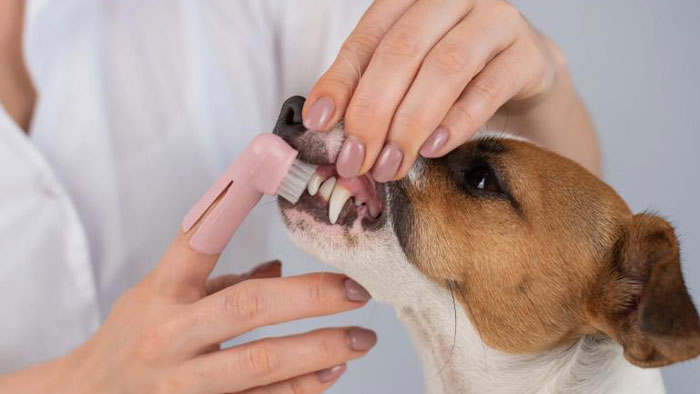
Annual cleanings prevent the buildup that leads to periodontal disease. Most base policies don’t cover them. You’ll need either a wellness add-on or a preventative care package.
A typical cleaning includes blood work, anesthesia, scaling, and polishing. If extractions are needed during the cleaning, those may fall under a separate dental illness add-on — so check whether both are required.
What’s Almost Never Covered
Don’t assume coverage. These are standard exclusions across the industry:
- Orthodontics — braces, brackets, bite correction
- Cosmetic dentistry
- At-home dental products — toothbrushes, dental chews, water additives
- Pre-existing conditions — most insurers won’t cover dental disease that existed before enrollment
- Treatment during the waiting period — typically 14 to 30 days after signup
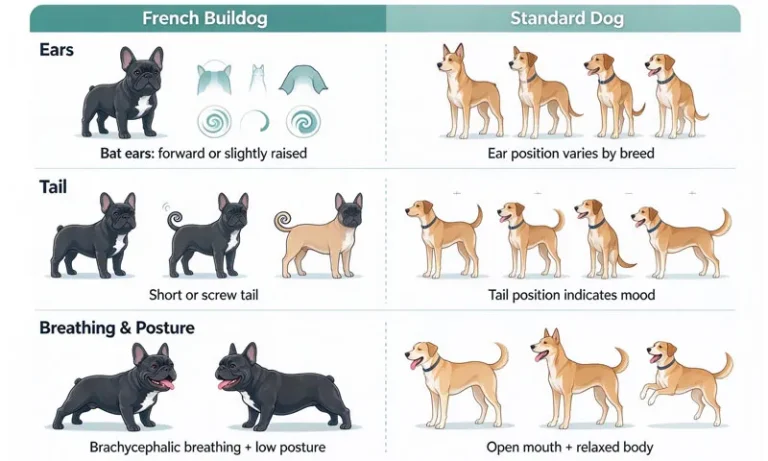
Brachycephalic breeds (Bulldogs, Pugs, French Bulldogs, Shih Tzus) face higher risk of dental crowding and may have limited coverage options with some providers. Check breed-specific terms before enrolling.
2026 Plan Comparison: Best Dog Dental Insurance Options

This comparison is based on publicly available policy information as of early 2026. Verify directly with each provider before purchasing.
| Provider | Dental Accident | Dental Illness | Routine Cleaning | Waiting Period | Pre-existing Covered? |
|---|---|---|---|---|---|
| Lemonade | ✅ | ✅ Add-on | ✅ Select states | 14 days | Dental Care plan only |
| Trupanion | ✅ | ✅ | ❌ | 30 days | ❌ |
| Embrace | ✅ | ✅ Add-on | ✅ Wellness | 6 months | ❌ |
| Healthy Paws | ✅ | ✅ | ❌ | 15 days | ❌ |
| ASPCA Pet Insurance | ✅ | ✅ | ✅ Wellness | 14 days | ❌ |
Key takeaway: If pre-existing dental conditions are a concern, Lemonade’s Dental Care add-on is currently one of the few options that covers them — but it’s only available for pets aged 0–3 and in select states.
The Waiting Period Problem (And How to Work Around It)
Most owners don’t think about waiting periods until they need to file a claim.
Here’s the reality: if your dog shows signs of a dental condition during the waiting period, it may be classified as a pre-existing condition — and denied permanently.
What to do before you enroll:
- Schedule a full dental exam and get written records
- Enroll while your dog is young and healthy
- Ask your insurer exactly how they define “pre-existing dental condition”
- Keep all vet records organized and dated
how pet insurance companies define pre-existing conditions
The earlier you enroll, the more coverage you lock in. A puppy enrolled at 8 weeks has no dental history to exclude.
Is Dog Dental Insurance Worth It?
Run a quick calculation.
Assume a mid-tier plan costs $45/month with a dental add-on. That’s $540/year.
Now consider:
- One annual cleaning: $400–$500
- One tooth extraction over your dog’s lifetime: $600–$1,500
A single moderately complex dental procedure can exceed your annual premium within one vet visit. For most dogs — especially medium to large breeds, or any dog that loves hard chews — the math works in favor of coverage.
If your dog is older, already has documented dental disease, or you have a solid emergency fund, self-insuring may make more sense. There’s no universal right answer.
Yes, if the extraction results from a covered accident (base policy) or a covered dental illness (add-on required). Extractions during routine cleanings may need a separate illness add-on.
As early as possible — ideally as a puppy. Most pre-existing condition exclusions don’t apply if your dog has no dental history at enrollment. Some plans cap dental add-on eligibility at age 3.
Most providers won’t cover pre-existing periodontal disease. Lemonade’s Dental Care add-on is a limited exception for dogs aged 0–3 in eligible states. Always disclose your dog’s full dental history when applying.
Yes — when anesthesia is part of a covered dental procedure (accident or illness), it’s typically included in the claim. Anesthesia for a routine cleaning is usually covered under wellness or preventative add-ons.
Disclaimer
The information in this article is for general educational purposes only and does not constitute financial, legal, or insurance advice. Policy terms, pricing, and coverage vary by provider and state. Always read your full policy documents and consult a licensed insurance professional before making coverage decisions.