

Dog drying coats look simple. Zip your soggy dog into one, walk away, done. But the wrong material, the wrong fit, or leaving it on too long can do more harm than a wet dog ever would. Here’s what actually matters before you buy.
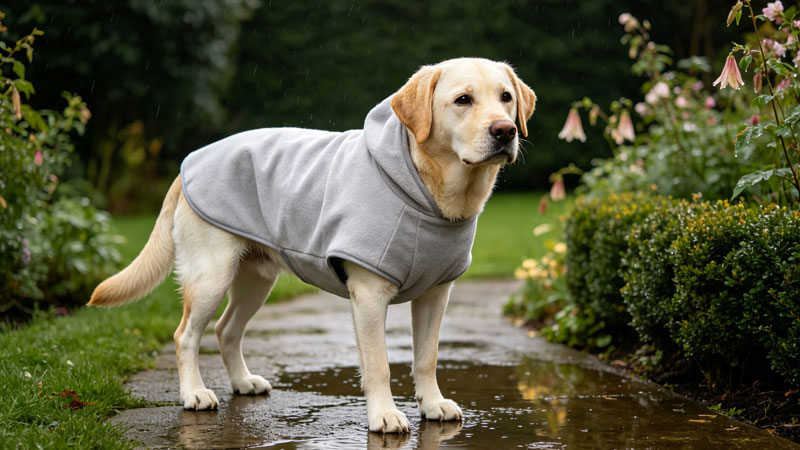
Why Dog Drying Coats Matter More Than Convenience
Most guides frame drying coats as a mud-and-mess solution. That’s only half the story.
The Hidden Risk of a Wet Coat
Damp fur held against skin for hours creates the exact conditions bacteria and yeast need to multiply. Dogs with dense undercoats — Labs, Goldens, Huskies — trap moisture closer to the skin than smooth-coated breeds, which raises the risk of hot spots and irritation after repeated soakings. [veterinary dermatology research on canine skin infections]
Wet Dogs Lose Heat Fast
A wet coat pulls heat away from the body far quicker than a dry one. Puppies, senior dogs, and small or toy breeds regulate temperature poorly to begin with. Add wet fur and cold air, and the risk of a chill climbs quickly — this is why a drying coat isn’t just a comfort item for these dogs, it’s closer to a safety layer.
Drying Coat vs. Towel vs. Blow Dryer
| Method | Speed | Hands-Free | Stress on Dog | Cost |
|---|---|---|---|---|
| Drying coat | Slow, passive | Yes | Low | Low-medium |
| Towel drying | Fast, active | No | Medium | Very low |
| Blow dryer | Fastest | No | High (many dogs dislike it) | Medium-high |
A drying coat won’t replace a towel for a soaked dog straight out of a lake. Towel first, coat second — that combination dries faster and reduces the time your dog spends damp.
How Dog Drying Coats Actually Work
This is where most buying guides stop short. The material isn’t a style choice — it changes how fast your dog actually dries.
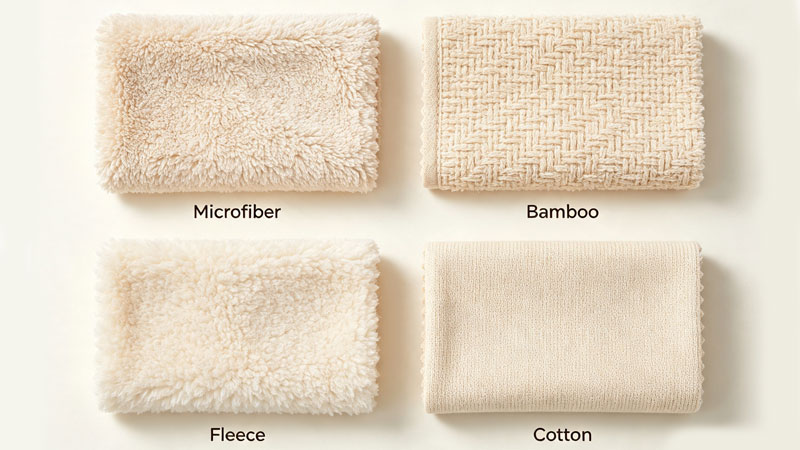
Microfiber vs. Bamboo vs. Fleece vs. Cotton Toweling
| Material | Absorbency | Breathability | Odor Resistance | Best For |
|---|---|---|---|---|
| Microfiber | High, fast-drying | Medium | Good | Everyday walks, fast pickup |
| Bamboo blend | High, gentle on skin | High | Very good | Sensitive skin, hot climates |
| Fleece | Medium, retains warmth | Low | Poor if left damp | Cold weather, short exposure |
| Cotton toweling | Medium | Medium | Fair | Budget option, easy wash |
Microfiber and bamboo blends generally pull moisture away from skin faster because of their fiber structure, which is why they’re common in newer drying coat lines. Fleece feels warmer but holds water longer against the belly — fine for a quick post-walk warm-up, less ideal for a genuinely soaked dog.
Matching Material to Your Dog’s Coat Type
- Double-coated breeds (Huskies, Goldens, Collies): prioritize breathability over warmth-retention fabrics like fleece.
- Curly or single-coat breeds (Doodles, Poodles): avoid fleece where possible — friction between damp fleece and curly fur is a common cause of matting.
- Smooth-coat breeds (Boxers, Dalmatians, Whippets): dry fastest regardless of material, so budget cotton options work fine.
How to Measure Your Dog for a Drying Coat
Sizing mistakes are the number one reason drying coats get returned. Three measurements, not one.
The 3 Measurements You Need
- Back length — collar to base of tail
- Chest girth — widest point around the ribcage
- Neck circumference — where a collar normally sits
Sizing Chart by Weight
| Size | Back Length | Weight | Example Breeds |
|---|---|---|---|
| XS | 26–36 cm | 5–8 kg | Chihuahua, toy breeds |
| S | 35–42 cm | 8–10 kg | Pug, terrier |
| M | 41–50 cm | 10–20 kg | Cocker Spaniel, Border Collie |
| L | 57–68 cm | 20–30 kg | Boxer, Labrador |
| XL | 64–73 cm | 30–40 kg | Golden Retriever, German Shepherd |
If Your Dog Falls Between Sizes
Size up, not down. A slightly loose coat with adjustable belly and neck straps still dries effectively. A tight coat restricts movement and can chafe under the legs after a 20-minute walk.
Key Features Worth Checking Before You Buy
Fit and Adjustability
Velcro straps with back-leg poppers matter more than they sound. For senior or arthritic dogs, not having to bend a sore leg through a loop is the difference between a coat they tolerate and one they fight.
Hood and Snood Coverage
Floppy-eared breeds — Spaniels, Retrievers, Basset Hounds — stay damp behind the ears longer than anywhere else. A built-in snood that tucks ears in solves a problem most owners don’t think about until week two.
Leg and Belly Coverage
Full-leg coverage dries more of the dog but adds bulk and is trickier for bathroom breaks. Partial coverage is easier to live with day-to-day but leaves the legs — often the muddiest, wettest part — untouched.
Safety Features Often Skipped
- Reflective trim for early morning or evening walks
- Ventilated panels to prevent overheating on milder days
- A clear underside opening so male and female dogs can toilet without removing the coat
How to Use a Dog Drying Coat Safely
This is the part almost no other guide covers, and it’s the part that actually protects your dog.
How Long Should a Drying Coat Stay On?
There’s no universal number, but the general guidance from canine care sources is to remove it once your dog feels dry to the touch — typically 30 to 90 minutes depending on coat thickness and material. Leaving a damp coat on for hours defeats the purpose and can trap moisture against the skin. [pet coat safety and skin health guidelines]
Puppies and Senior Dogs Need Extra Supervision
Both groups struggle more with temperature regulation. Never leave a drying coat on an unsupervised puppy or senior dog — check every 15–20 minutes and remove once dry.
Signs to Remove the Coat Immediately
- Shivering continues after 10–15 minutes wearing it
- Skin looks red or irritated under the straps
- Your dog is pawing at the coat or trying to remove it
Washing and Hygiene
Damp coats left balled up in a bag breed bacteria fast. Wash after every muddy or heavily soaked use, and let the coat fully air dry before storing it. [dog coat and accessory care guide]
FAQ: What People Actually Ask About Dog Drying Coats
Is it safe to leave a drying coat on my dog overnight?
No. Drying coats are designed for short-term use only — once your dog is dry, remove it. Overnight wear can trap moisture and irritate skin.
How often should I wash my dog’s drying coat?
After every use where the coat picked up significant moisture or mud. A coat that stays damp between walks becomes a bacteria risk.
Do drying coats work for double-coated or thick-furred breeds?
Yes, but choose a breathable material like bamboo or microfiber over fleece, which can trap moisture closer to the skin on thick coats.
What’s the difference between a drying coat and a regular dog coat?
A drying coat is absorbent and worn briefly after a walk or bath. A regular dog coat is worn during the walk itself, usually waterproof or insulated rather than absorbent.
Can a drying coat replace towel drying completely?
Not for a fully soaked dog. Towel off the worst of the water first, then use the coat to finish the job and keep your dog warm while it works.
Final Thought
The right drying coat comes down to three things: a material suited to your dog’s coat type, a fit that doesn’t restrict movement, and knowing when to take it off. Get those right, and you’ve solved the wet-dog problem properly — not just covered it up.
Disclaimer: This article is for general informational purposes only and does not replace professional veterinary advice. Always consult your veterinarian regarding your dog’s specific health, skin condition, or temperature regulation needs.