

When your dog is breathing fast and heavy for no clear reason, your first instinct is fear. That fear is often justified. Some causes are harmless. Others need a vet within the hour. This guide walks you through both, so you can tell the difference fast and act with confidence instead of panic.

Fast Breathing vs. Heavy Breathing: Know the Difference First
Owners use these terms interchangeably, but vets don’t. That distinction matters for how you respond.
Fast breathing (tachypnea) means a higher-than-normal breath count per minute. The rhythm still looks normal — just quicker.
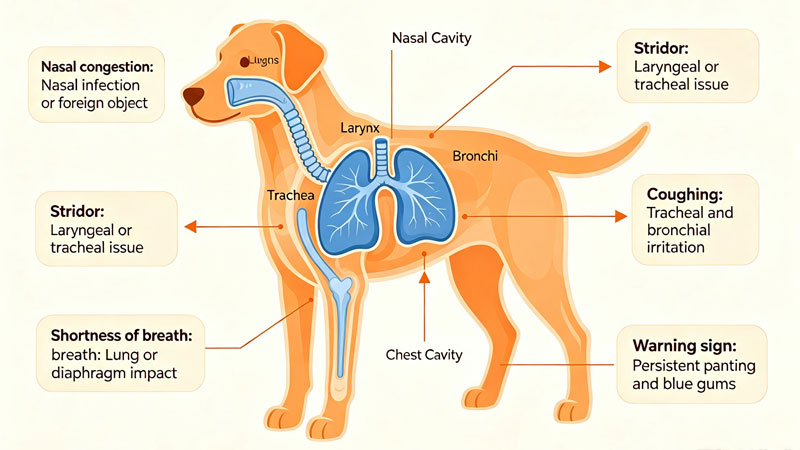
Heavy breathing (labored breathing or dyspnea) means your dog is working harder to move air. You’ll see exaggerated chest or belly movement, an open mouth, or a stretched-out neck.
A dog can show one without the other. A dog that’s both breathing fast and heavy is telling you something is wrong right now.
| Feature | Fast Breathing | Heavy Breathing |
|---|---|---|
| Breath rate | Elevated | May be normal or elevated |
| Effort | Normal | Visibly labored |
| Common triggers | Heat, exercise, stress | Heart disease, airway blockage, pain |
| Urgency | Depends on context | Usually urgent |
veterinary respiratory rate guidelines
How to Check Your Dog’s Breathing Rate at Home
This takes 30 seconds and tells you more than guessing ever will.
The Resting Respiratory Rate Test
Watch your dog while they’re calm, not sleeping mid-dream or just back from a walk. Count one full breath cycle — chest rises and falls once — for 30 seconds, then double it. That’s breaths per minute.
Normal range: 15–30 breaths per minute. Anything consistently above 40 at rest is a signal to call your vet.
Normal Breathing Rate by Age and Size
| Dog Type | Normal Resting Rate |
|---|---|
| Puppies | Up to 30-40 bpm |
| Adult, healthy | 15-30 bpm |
| Senior dogs | 15-30 bpm, watch closely |
| Toy/small breeds | Slightly higher end of normal |
| Large breeds | Slightly lower end of normal |
Sleeping Respiratory Rate: What Cardiologists Track
If your dog has known heart disease, vets often ask you to track the sleeping respiratory rate (SRR) at home. Count breaths while your dog is deeply asleep, not dreaming or twitching. A sustained SRR above 30 breaths per minute can signal early fluid buildup in the lungs — often before other symptoms show up.
What Causes Fast and Heavy Breathing in Dogs
Normal, Non-Emergency Triggers
Exercise, heat, excitement, and stress all speed up breathing temporarily. It should settle within 10-20 minutes of rest in a cool space.
Heart-Related Causes
Congestive heart failure is one of the most common serious causes, especially in older dogs and breeds like Cavalier King Charles Spaniels, Boxers, and Dobermans. Fluid builds up in or around the lungs, and breathing gets harder even at rest.
Respiratory Infections and Lung Conditions
Pneumonia, bronchitis, and lungworm all inflame the airways. Watch for coughing, nasal discharge, or reduced appetite alongside the breathing change.
Pain
Dogs in pain — from pancreatitis, injury, or GI issues — often breathe faster as a stress response, even without obvious limping or crying.
Heatstroke
Flat-faced breeds overheat fast. Bright red gums, drooling, and collapse alongside heavy breathing mean immediate cooling and a vet visit.
Airway Obstruction
A lodged object, swelling, or structural narrowing restricts airflow. Choking sounds or pawing at the face are red flags.
Less Common but Serious Causes
Cushing’s disease, pulmonary hypertension, lung bulla, and certain cancers can all present with breathing changes as an early sign, not a late one.
Breeds at Higher Risk: Brachycephalic Dogs
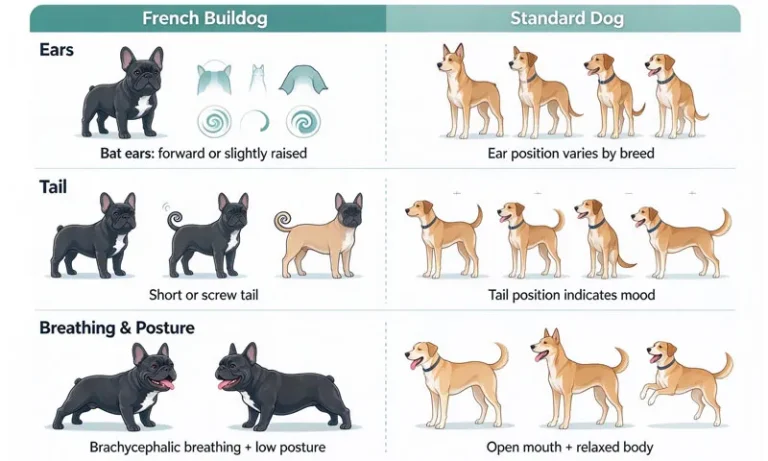
French Bulldogs, Pugs, Bulldogs, and Boston Terriers have shortened airways by design. This is called Brachycephalic Obstructive Airway Syndrome (BOAS), and it means these breeds work harder to breathe even on a normal day.
| Breed | Main Risk | Watch For |
|---|---|---|
| French Bulldog | Narrowed nostrils, elongated soft palate | Snoring, gagging while eating |
| Pug | Airway collapse under heat/stress | Blue-tinged gums during exercise |
| Bulldog | Combined airway and heart strain | Exercise intolerance |
| Boston Terrier | Milder BOAS, still at risk | Noisy breathing at rest |
If you own one of these breeds, don’t wait for a crisis. Annual airway screening from a vet catches problems before they become emergencies.
BOAS research and breed health data
When Fast or Heavy Breathing Is a Medical Emergency
Red Flag Checklist
Get to a vet immediately if you see:
- Blue, gray, pale, or white gums
- Breathing with an outstretched neck
- Standing with elbows out, refusing to lie down
- Collapse or extreme weakness
- Fluid from the nose or mouth
- Persistent coughing plus fast breathing at rest
What Gum Color Tells You
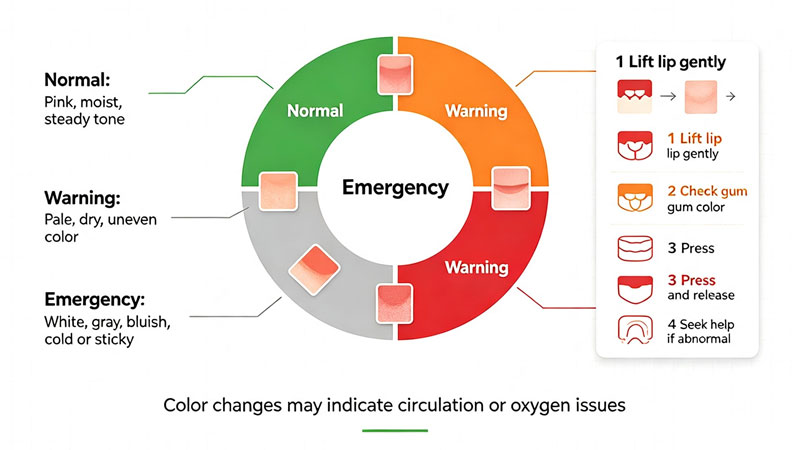
Pink gums mean normal oxygen flow. Pale or white gums suggest blood loss or shock. Blue or gray gums mean your dog isn’t getting enough oxygen — this is a true emergency, not a wait-and-see situation.
What to Do Right Now: A Step-by-Step Plan
Step 1: Assess and record. Note the breathing rate, gum color, and posture. Film 20-30 seconds on your phone — vets can often assess severity from video before you even arrive.
Step 2: Call ahead. Tell the clinic the breath count and any red flags. They may tell you to come straight in or offer instructions for the drive over.
Step 3: Transport calmly. Keep the car cool, avoid sudden movements, and carry small dogs rather than let them walk.
Avoid: forcing water, making your dog walk or climb stairs, or handling them roughly to “check” for injuries.
read our step-by-step pet emergency preparedness checklist
Diagnosis and Treatment: What to Expect (and What It Costs)
Vets typically start with a physical exam, chest X-rays, bloodwork, and pulse oximetry. If heart disease is suspected, an echocardiogram follows.
Rough cost ranges in the U.S. (varies by region and clinic):
- Physical exam and consult: $50-$150
- Chest X-rays: $150-$300
- Bloodwork panel: $100-$250
- Echocardiogram: $300-$600
- Overnight hospitalization with oxygen therapy: $800-$2,500+
Treatment depends entirely on the cause. Heart failure responds to diuretics and oxygen support. Infections need antibiotics or antifungals. Airway issues sometimes require surgery. None of these are DIY situations — accurate diagnosis has to come first.
Preventing Future Breathing Episodes
Keep your dog at a healthy weight — extra pounds strain both the heart and lungs. Build exercise gradually, especially with brachycephalic breeds. Never leave a dog in a parked car, and shift walks to cooler morning or evening hours in summer. If your breed or age group is high-risk, ask your vet about routine cardiac screening before symptoms appear, not after.
Frequently Asked Questions
Is it normal for my dog to breathe fast while sleeping?
Occasional twitchy breathing during dreams is normal. A sustained rate above 30 breaths per minute during deep sleep is not, and should be checked.
How many breaths per minute is too many for a dog?
Above 30-40 breaths per minute at rest, with no recent exercise or excitement, warrants a vet call.
Can anxiety cause a dog to breathe heavy?
Yes. Stress and anxiety trigger rapid, shallow breathing similar to panting. It should resolve once your dog calms down.
What’s the difference between panting and labored breathing?
Panting is open-mouth, rhythmic, and calms down with rest. Labored breathing looks effortful, may involve the belly muscles, and doesn’t improve with rest alone.
Should I worry if my senior dog breathes heavy at rest?
Yes, more than with a younger dog. Age raises the odds of heart or lung disease, so heavy breathing at rest in a senior dog deserves same-week veterinary attention.
Key Takeaways
- Normal resting rate: 15-30 breaths per minute. Track it, don’t guess.
- Blue or pale gums, collapse, or an outstretched neck mean emergency care now.
- Brachycephalic and senior dogs need closer, earlier monitoring.
- Film the episode before you leave — it helps your vet triage faster.
Disclaimer: This article is for informational purposes only and does not replace professional veterinary diagnosis or treatment. If your dog shows signs of breathing difficulty, contact a licensed veterinarian or emergency animal hospital immediately.