

Dog panting at night jolts you awake and your first thought is probably the worst-case one. That’s fair. Most nighttime panting has a simple explanation, but some cases signal real trouble. This guide breaks down every likely cause, shows you how to tell the difference in minutes, and tells you exactly when to stop watching and start driving.
Medically reviewed by Dr. Sarah Chen, DVM
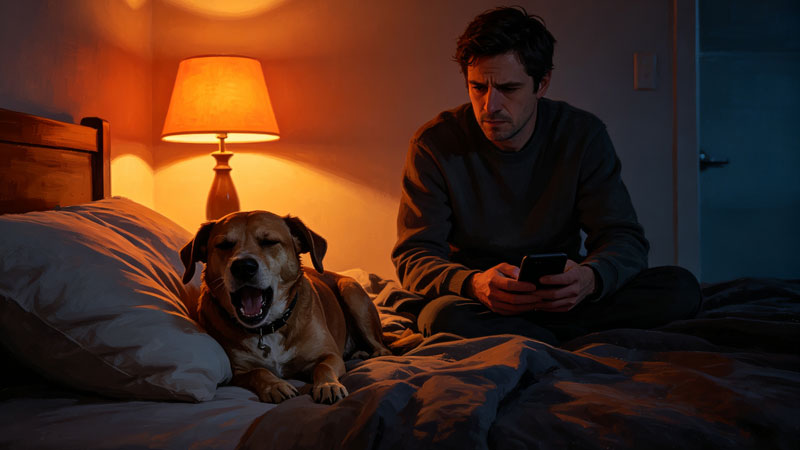
Is It Normal for Dogs to Pant at Night?
Dogs pant to cool down. No sweat glands across their body means panting is their main thermostat. A dog who ran around the yard before bed or sleeps in a warm room will pant for a few minutes and then settle. That’s normal.
Abnormal panting looks different. It doesn’t stop. It shows up out of nowhere, with no heat and no exercise behind it. A healthy resting dog breathes 10 to 30 times a minute. Panting well above that range, especially paired with pacing or an inability to lie still, is your first red flag.
Normal vs. Abnormal Panting
| Signal | Normal | Abnormal |
|---|---|---|
| Duration | Stops within 10-20 minutes | Continues for an hour or more |
| Trigger | Heat, play, excitement | No obvious cause |
| Breathing rate | Returns to 10-30 bpm at rest | Stays elevated at rest |
| Behavior | Calm once cooled | Pacing, whining, can’t settle |
| Gum color | Pink | Pale, blue, or gray |
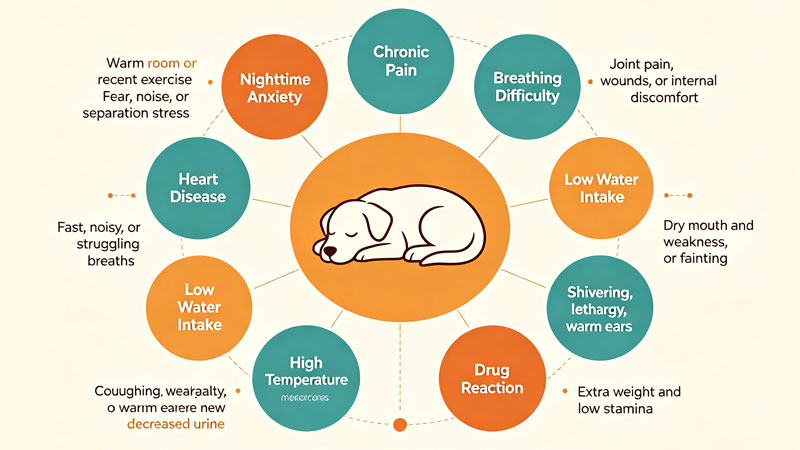
Why Does My Dog Pant at Night? 9 Possible Causes
1. Heat and Poor Ventilation
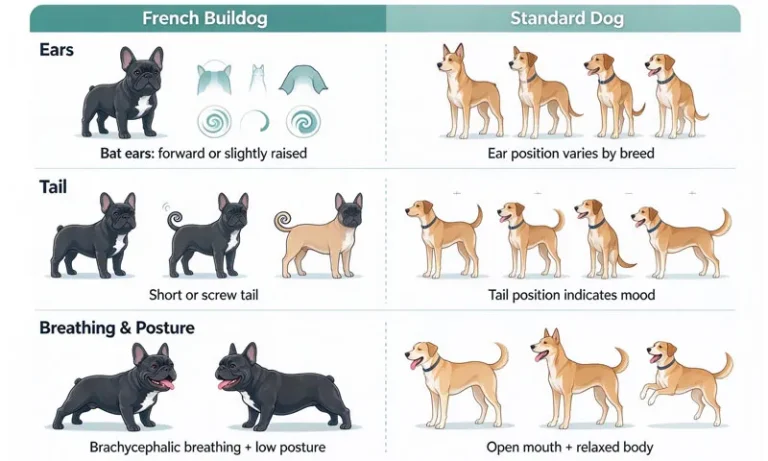
Warm bedrooms, thick coats, and closed windows trap heat. Brachycephalic breeds — Bulldogs, Pugs, Boxers — struggle more because their airways are already narrow. Dehydration after a hot day makes it worse.
2. Anxiety and Stress
Separation anxiety often peaks the moment you go to bed and stop being a distraction. Storms, traffic noise, and changes in routine trigger it too. Anxious panting usually comes with pacing, hiding, or clinginess.
3. Pain or Discomfort
Pain gets louder at night once daytime distractions fade. Arthritis, dental infections, and abdominal discomfort are common culprits. A dog who struggles to find a comfortable position while panting is telling you something hurts.
4. Heart or Respiratory Disease
This is where panting turns serious. Heart failure, tracheal collapse, and pneumonia all restrict oxygen flow. Panting after minimal movement, along with coughing, is a pattern worth acting on quickly.
5. Cushing’s Disease or Hormonal Imbalance
Excess cortisol drives heavy panting, increased thirst, hair loss, and a pot-bellied look. It’s more common in older dogs and tends to build gradually rather than appear overnight.
6. Medication Side Effects
Steroids like prednisone are known to cause panting as a direct side effect. If your dog started a new medication recently, check the label or call your vet before assuming something else is wrong.
7. Excess Weight or Poor Fitness
Extra weight makes breathing harder, period. Overweight dogs pant more at rest because their bodies work harder just to move air. This one’s fixable, and your vet can help you build a plan.
8. Nausea or Gastrointestinal Distress
Panting combined with restlessness, drooling, or an inability to get comfortable can point to nausea. In large, deep-chested breeds, this combination can signal bloat (GDV) — a life-threatening emergency that needs immediate treatment, not observation.
9. Canine Cognitive Dysfunction
Senior dogs with cognitive decline often lose their normal sleep-wake rhythm. Nighttime panting, pacing, and disorientation are common signs, similar to sundowning in humans.
Does Age or Breed Change the Risk?
Puppies pant more from overstimulation and poor heat regulation. Adult dogs are more likely dealing with anxiety or environment. Senior dogs carry higher risk for Cushing’s, heart disease, arthritis, and cognitive decline.
Breed matters too. Brachycephalic breeds face constant airway strain. Large, deep-chested breeds like Great Danes and German Shepherds carry higher bloat risk. According to the [research on canine airway anatomy in brachycephalic breeds], short-nosed breeds work significantly harder to move the same volume of air as other dogs, which explains why routine panting looks more alarming in these breeds even when it’s not.
Breed Risk Snapshot
| Breed Type | Examples | Primary Risk |
|---|---|---|
| Brachycephalic | Bulldog, Pug, Boxer | Airway obstruction, heat intolerance |
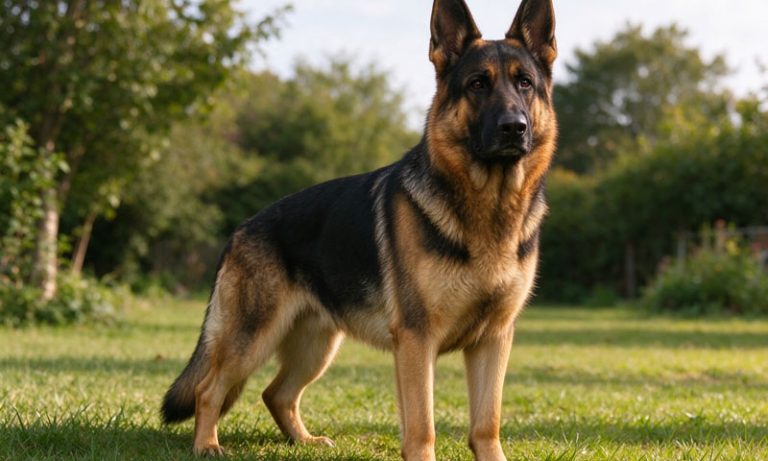
| Deep-chested | Great Dane, German Shepherd | Bloat (GDV) |
| Small senior breeds | Cavalier King Charles Spaniel | Heart disease |
| Long-lived breeds | Poodle, Dachshund | Cushing’s disease |
How Do You Know If It’s an Emergency?
Use this framework before you decide whether to wait, call your vet, or leave right now.
Green zone — watch at home. Panting fades within 20 minutes, no other symptoms, dog settles once cooled or comforted.
Yellow zone — book a vet visit soon. Panting returns nightly, mild limping or stiffness, appetite changes, increased thirst.
Red zone — go to an emergency vet now. Pale, blue, or gray gums. Collapse or extreme weakness. Panting with vomiting or a swollen abdomen. Sudden onset that won’t stop.
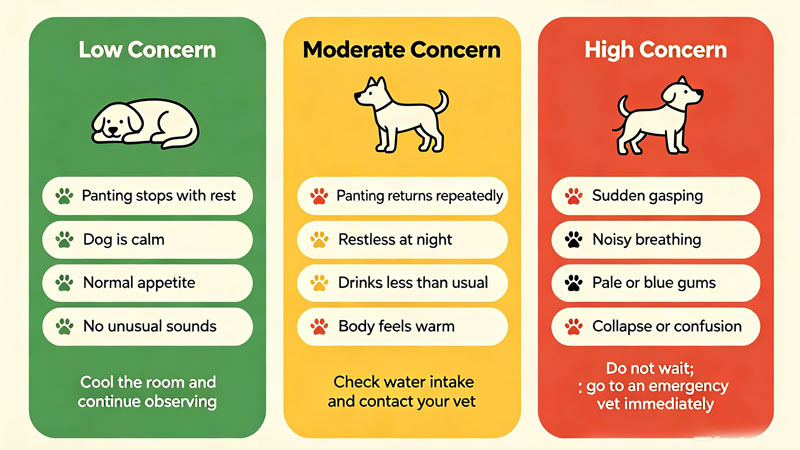
If you land in the red zone, don’t wait for morning. Locate your nearest [emergency vet clinics near you] and go immediately.
What Should You Do Right Now?
If your dog is stable but panting hard:
- Move them to a cool, quiet room.
- Offer water, but don’t force it.
- Check gum color and breathing rate.
- Sit with them and reduce noise and light.
- Time it. If panting doesn’t ease within 30-60 minutes, treat it as urgent.
What not to do: Don’t give human medication like ibuprofen or Tylenol. Both are toxic to dogs. Don’t force water down their throat if they’re distressed. Don’t wait “just one more hour” if gums are pale or blue.
How Vets Diagnose the Cause
A vet will start with a physical exam and breathing assessment, then move to bloodwork, chest X-rays, or an oxygen level check depending on what they find. For suspected heart or lung issues, imaging usually comes first. Diagnostic workups for panting-related visits typically run in the range most emergency clinics list on their, so ask upfront if cost is a concern — most clinics will walk you through it before running tests.
Frequently Asked Questions
Why does my dog pant at night for no reason?
There’s almost always a reason, even if it’s not obvious. Anxiety, mild pain, or early-stage heart or hormonal issues can cause panting before other symptoms show up.
Why is my dog panting and shaking at night?
This combination often points to pain, anxiety, or nausea. If shaking is severe or paired with vomiting, treat it as urgent.
Can allergies cause nighttime panting in dogs?
Yes. Environmental allergies can disrupt sleep and cause restlessness and panting, especially in dogs with untreated skin irritation.
Is heavy panting during sleep different from panting while awake?
Yes. Light breathing changes during sleep are normal. Heavy, sustained panting during actual sleep is not and deserves attention.
How long is too long for a dog to pant before I should worry?
Past 30-60 minutes without an obvious trigger, or any time gums change color, treat it as a reason to call your vet.
Key Takeaways
- Nighttime panting past 30-60 minutes without a clear cause is not normal.
- Pale, blue, or gray gums mean go to an emergency vet immediately.
- Brachycephalic and deep-chested breeds carry higher baseline risk.
- Home self-checks help you decide, but they don’t replace a vet exam.
Disclaimer: This article is for informational purposes only and does not replace professional veterinary diagnosis or treatment. If your dog shows signs of distress, contact your veterinarian or nearest emergency animal hospital immediately.