

Your dog’s nose is 100,000 times more powerful than yours. That means a smell that barely registers to you can feel like a full sensory assault to them. Knowing what scents dogs hate isn’t just interesting trivia — it’s the difference between accidentally stressing your dog out and using the right smells to keep them off the couch, out of the garden, and away from danger.
This guide covers 14 scents dogs can’t stand, ranks each one by safety, and tells you exactly which ones actually work as repellents — and which ones you should never use.
Why Your Dog’s Nose Changes Everything
Before the list, here’s why this matters more than most owners realize.
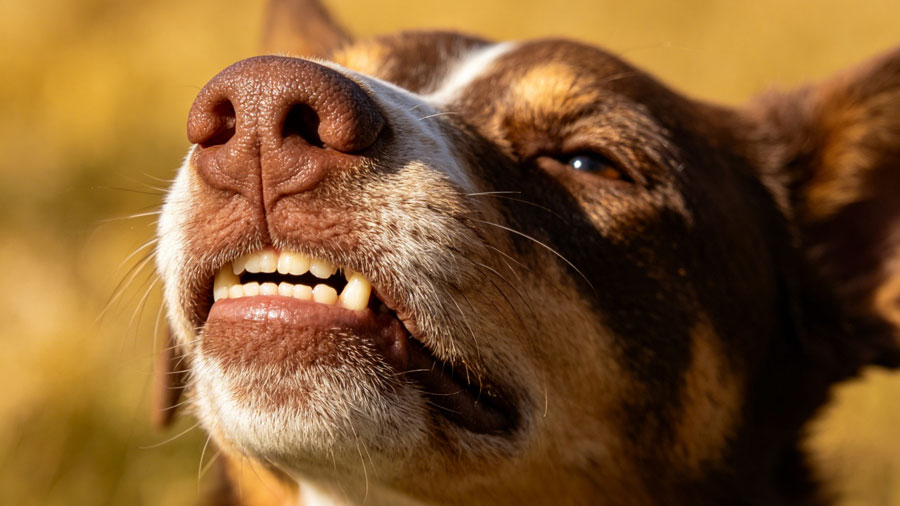
A dog’s nose contains roughly 300 million olfactory receptors. Humans have about 6 million. According to canine cognition researcher Alexandra Horowitz, author of Inside of a Dog, dogs don’t just smell more — they smell differently, processing scent information the way we process visual scenes.
Dogs also have a vomeronasal organ (Jacobson’s organ) on the roof of their mouth. It detects pheromones and chemical signals invisible to the human nose entirely. When you walk into a room wearing perfume, your dog isn’t smelling a pleasant fragrance — they’re being hit with a wall of chemical data at full volume.
Alexandra Horowitz’s research on canine olfaction
Do All Breeds React the Same Way?
No — and this is something most articles skip entirely.
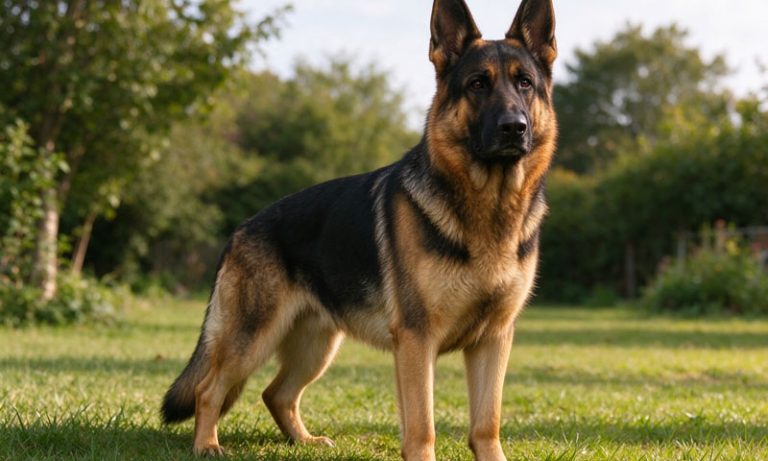
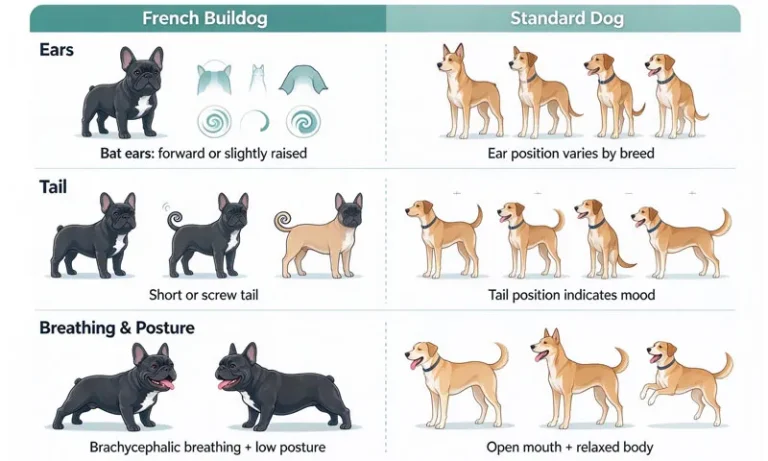
Scenthounds (Bloodhounds, Beagles, Basset Hounds) have the most olfactory receptors of any group and are hypersensitive to everything on this list. Herding breeds (German Shepherds, Border Collies) aren’t far behind. Toy breeds and flat-faced dogs (Bulldogs, Pugs, French Bulldogs) face a double risk: their compressed airways make inhaling irritants especially dangerous, even in small amounts.
If you have a Bloodhound or a Bulldog, apply extra caution to every scent on this list.
14 Scents Dogs Hate — Ranked by Safety
Here’s the full breakdown, with a safety rating for each:
🟢 Safe — Can be used as a repellent with normal precautions 🟡 Use with caution — Dilute first; keep amounts small 🔴 Avoid entirely — Toxic or too dangerous to risk
1. White Vinegar 🟢
The sharp, acidic smell of white vinegar is deeply unpleasant to dogs — even the most stubborn ones won’t linger near it. It’s also non-toxic and cheap.
As a repellent: Mix equal parts white vinegar and water in a spray bottle. Apply to furniture legs, garden borders, or areas where your dog marks. Reapply every 2–3 days or after rain.
Note: Apple cider vinegar is less potent. White distilled vinegar gets better results.
2. Citrus Peels (Lemon, Orange, Grapefruit) 🟢
The compound limonene is the main culprit here — dogs find it overwhelmingly strong. Fresh citrus peels scattered around furniture or garden beds work well as a low-cost deterrent.
Important distinction: Fresh peels = low risk. Citrus essential oil = different story. Concentrated citrus oil contains limonene at levels that are toxic to dogs if ingested. Don’t use citrus oil products near dogs.

3. Coffee Grounds 🟢
Many dogs find the smell of coffee repellent. Spent coffee grounds spread around garden beds can discourage digging and marking.
One critical rule: Use decaffeinated coffee grounds only. Caffeine is toxic to dogs — the ASPCA lists it as a moderate-to-severe toxin depending on the amount ingested. If your dog eats a mouthful of regular grounds, that’s a vet call.
caffeine toxicity thresholds in dogs
4. Fresh Herbs (Mint, Rosemary, Rue) 🟢
Strong-smelling herbs make excellent natural repellents — especially for gardens.
Rue (Ruta graveolens) is particularly effective and is almost completely ignored by the competing articles you’ll find online. It’s a traditional garden plant that dogs (and cats) strongly avoid. Plant it along borders or in pots near areas you want to protect.
Mint and rosemary work too, though less dramatically. The key is fresh, strongly scented plants — dried herbs don’t have the same effect.
5. Citronella 🟡
Citronella repels dogs effectively — but it’s not fully safe. It’s classified as a dermal and gastrointestinal irritant by the ASPCA. Sprays or candles used outdoors in ventilated areas pose low risk. Direct skin contact or ingestion is a different matter.
Use case: Outdoor use only, in open areas. Keep it away from dogs’ bedding, food bowls, or any surface they lick.
6. Eucalyptus Oil 🟡
The strong camphor-like scent sends most dogs in the other direction. Diluted eucalyptus spray (10–15 drops per cup of water) can work as a furniture or garden repellent.
Never apply pure eucalyptus oil near dogs. Concentrated essential oils cause respiratory irritation and, in sufficient amounts, neurological symptoms. The difference between “a few drops in water” and “pure oil” is significant.
7. Pepper (Black & Cayenne) 🟡
Pepper irritates the trigeminal nerve — the same nerve responsible for the burning sensation in humans. Dogs sneeze, pull back, and avoid the area.
However: We don’t recommend using pepper as a repellent. If a dog inhales fine pepper particles, it causes genuine pain. It’s closer to harassment than training. There are better, safer options on this list.
8. Strong Perfume & Synthetic Fragrances 🟡
Most dogs dislike strong perfume — not because it smells bad in a human sense, but because the concentration is overwhelming. Synthetic musks in particular can cause dogs to become agitated or leave the room.
Practical tip: If your dog follows you everywhere but disappears when you spray perfume, this is why. Consider fragrance-free alternatives or apply perfume in a separate room.
9. Household Cleaners (Bleach, Ammonia, Chlorine) 🟡
These don’t just smell bad to dogs — they pose real respiratory risks with repeated exposure. Bleach and ammonia fumes irritate the mucous membranes and can worsen respiratory conditions in flat-faced breeds.
pet-safe household cleaning products that won’t irritate your dog
Switch to enzyme-based or pet-safe cleaners for surfaces your dog regularly contacts.
10. Tea Tree Oil 🔴
Tea tree oil is toxic to dogs — full stop. Even small amounts applied to skin or inhaled from a diffuser can cause vomiting, tremors, and loss of coordination. The ASPCA Animal Poison Control Center consistently lists it as one of the most common essential oil-related toxicity cases.
Do not use tea tree oil in any form around dogs.
11. Garlic & Onion 🔴
The smell alone is enough to repel most dogs, but the risk goes far beyond that. Garlic contains thiosulfate, which destroys red blood cells and causes hemolytic anemia in dogs. The toxic dose is approximately 15–30g per kg of body weight for garlic — but smaller amounts accumulate with repeated exposure.
Never use garlic juice as a “natural repellent.” The upside isn’t worth the risk.
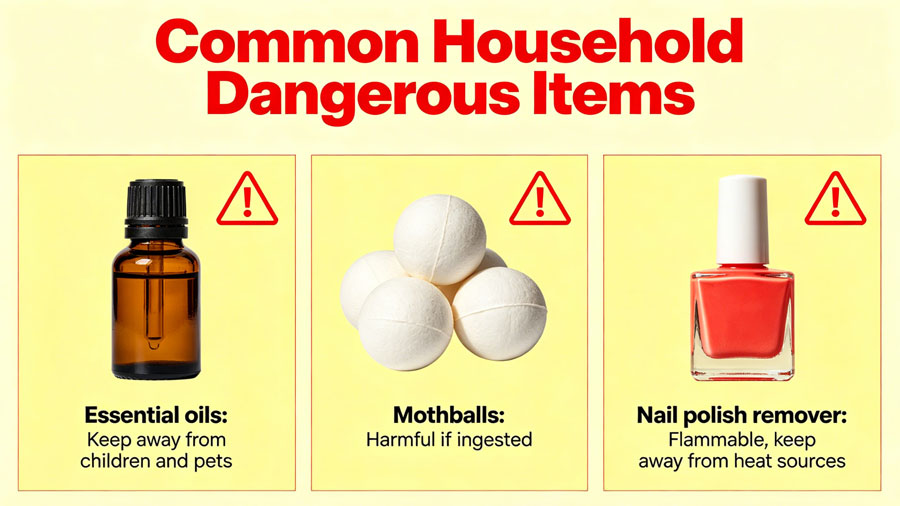
12. Mothballs (Naphthalene & Paradichlorobenzene) 🔴
Mothballs contain one of two chemicals: naphthalene (the older formulation) or paradichlorobenzene. Both are toxic. Naphthalene is a probable carcinogen according to the EPA and causes liver damage in dogs. Paradichlorobenzene is a suspected carcinogen as well.
Dogs often avoid mothballs — but some dogs, especially puppies, will mouth them out of curiosity. One mothball ingested by a small dog is a medical emergency.
13. Acetone & Nail Polish Remover 🔴
The harsh fumes from acetone irritate a dog’s nasal passages, eyes, and lungs almost instantly. With extended exposure, it can cause organ damage. Remove nail polish away from your dog and ventilate the space thoroughly before letting them back in.
14. Tobacco & Secondhand Smoke 🔴
Dogs hate the smell of tobacco smoke — but the real issue is what the smoke does to them. Secondhand smoke particles settle into a dog’s fur. When they groom themselves, they ingest nicotine and carcinogenic compounds directly. Indoor smoking is a genuine health risk for pets.
Quick Reference: Safety Chart
| Scent | Safe to Use as Repellent? | Toxic if Ingested? |
|---|---|---|
| White Vinegar | ✅ Yes | No |
| Citrus Peel | ✅ Yes | No |
| Coffee Grounds (decaf) | ✅ Yes | No |
| Fresh Rue/Herbs | ✅ Yes | No |
| Citronella | ⚠️ Diluted/outdoor only | Mildly |
| Eucalyptus Oil | ⚠️ Diluted only | Yes (concentrated) |
| Pepper | ⚠️ Not recommended | Irritant |
| Tea Tree Oil | ❌ Never | Yes |
| Garlic/Onion | ❌ Never | Yes |
| Mothballs | ❌ Never | Yes |
| Acetone | ❌ Never | Yes |
| Tobacco Smoke | ❌ Never | Yes |
How to Use Dog-Repellent Scents by Scenario
Keeping Dogs Off Furniture (Indoors)
Best options: white vinegar spray or citrus peel strips placed along cushion edges.
Apply the vinegar spray to the furniture surface (test a hidden spot first for fabric safety). Refresh every 2–3 days. Most dogs stop attempting the furniture within a week once they associate the smell with the spot.
Protecting Your Garden (Outdoors)
Best options: spent coffee grounds, rue plants, citrus peels, or diluted citronella spray on borders.
Plant rue along garden edges — it’s perennial, low-maintenance, and provides season-long deterrence without any recurring cost. Coffee grounds double as a mild fertilizer, making them an especially practical choice for vegetable beds.
| Method | Effectiveness | Safety | Lasts Without Reapplication |
|---|---|---|---|
| White Vinegar Spray | ★★★ | ✅ | 2–3 days |
| Coffee Grounds (decaf) | ★★★ | ✅ | Until rain |
| Rue Plant | ★★★★ | ✅ | Season-long |
| Citrus Peels | ★★★ | ✅ | 3–5 days |
| Citronella Spray | ★★★★ | ⚠️ | 1–2 days |
FAQ
Q: What smell will keep dogs from peeing in the house?
White vinegar is the most practical option. Spray a diluted solution (1:1 with water) on areas where your dog marks. The scent overrides the urine smell that draws them back to the same spot, breaking the cycle.
Q: Is citrus smell bad for dogs?
Fresh citrus peel is generally safe and effective as a low-key deterrent. Concentrated citrus essential oil, however, contains limonene at levels that are toxic — especially if ingested. Use the peel, not the oil.
Q: Can I use essential oils in a diffuser if I have a dog?
Some essential oils are fine in well-ventilated spaces; others (tea tree, clove, cinnamon, pennyroyal) should never be used around dogs. Lavender at low concentrations is generally considered safe and may actually have a mild calming effect. When in doubt, diffuse only in rooms your dog doesn’t frequent.
Q: What natural smells keep dogs away from furniture?
White vinegar spray and citrus peel strips are the most effective and safest options. Place orange or lemon peel along couch edges or spray diluted vinegar on fabric (spot-test first). Both are cheap, non-toxic, and work within a day or two.
Q: My dog seems anxious around certain smells — what should I do?
Remove the scent source first. Then identify what triggered the reaction — common culprits are plug-in air fresheners, scented candles, cleaning products, or essential oil diffusers. If anxiety persists even after removal, consult your vet. In some cases, scent-related stress can compound existing anxiety disorders.
What to Do If Your Dog Is Exposed to a Toxic Scent
Act fast. Watch for these symptoms: excessive drooling, pawing at the face, sneezing that won’t stop, vomiting, loss of coordination, or labored breathing.
Three immediate steps:
- Remove your dog from the area immediately and get them to fresh air.
- Do not induce vomiting unless explicitly instructed by a vet.
- Call the ASPCA Animal Poison Control Center: (888) 426-4435 — available 24/7.
Disclaimer: This article is for informational purposes only and does not constitute veterinary advice. Always consult a licensed veterinarian before making decisions about your pet’s health or environment. In cases of suspected poisoning, contact the ASPCA Animal Poison Control Center or your nearest emergency veterinary clinic immediately.