

Most people learn how to pick a puppy the hard way: they fall for a cute face, skip the hard questions, and end up overwhelmed three weeks later. This guide walks you through the health checks, temperament tests, and lifestyle math that actually predict a good match — before you fall in love with the wrong dog.

Get Honest About Your Life Before You Meet Any Puppies
Skip the breed research for a minute. Answer this first: how many hours a day is your home actually empty? Puppies under six months can’t hold their bladder more than 3-4 hours. If nobody’s home for eight, you’re setting up a fight you’ll lose.
What Does a Puppy Actually Cost in the First Year?
First-year costs run higher than most new owners expect once you add vaccines, spay/neuter, training, and gear. Budget varies by size and region, but plan for recurring costs beyond the purchase price — not just the adoption fee.
| Category | Small (≤25 lbs) | Medium (26–60 lbs) | Large (60+ lbs) |
|---|---|---|---|
| Initial vaccines (puppy series + rabies) | $75–150 | $75–150 | $75–150 |
| Spay/neuter | $150–300 | $200–400 | $300–600 |
| Pet insurance (annual premium) | $300–450 | $400–550 | $500–700 |
| Food (first year) | $250–400 | $400–650 | $600–1,000 |
| Supplies (crate, bed, leash, bowls, toys) | $150–250 | $200–350 | $250–450 |
| Estimated first-year total | $925–1,550 | $1,275–2,100 | $1,725–2,900 |
Puppy, Adult Dog, or Rescue — Which Actually Fits?
A puppy demands more time than a two-year-old rescue with known behavior. If your schedule is tight, an adult shelter dog often makes a calmer, more predictable companion. Don’t default to “puppy” just because it feels like the traditional choice.
Purebred, Mixed, or Designer Dog: Pick the Type, Not the Look
Breed predicts tendencies. It doesn’t guarantee personality. Two puppies from the same litter can behave like different species. Choose function and temperament range first, appearance second.
Best Dog Breeds for First-Time Owners by Living Situation
| Living Situation | Recommended Breed Type | Why |
|---|---|---|
| Apartment | Small to medium, low-to-moderate energy (e.g., French Bulldog, Cavalier King Charles Spaniel, Shih Tzu, Greyhound) | Limited space favors compact dogs; low barking tendency matters for shared walls; some larger breeds like Greyhounds are calm indoors despite size — energy level matters more than size alone. |
| House with a yard | Medium to large, active or working breeds (e.g., Labrador Retriever, Australian Shepherd, Golden Retriever) | Yard space supports higher exercise needs and breeds bred for activity; reduces reliance on long walks alone; good for dogs prone to zoomies or that need room to run. |
| Family with young children | Patient, sturdy, people-oriented breeds (e.g., Labrador Retriever, Golden Retriever, Beagle) | Tolerant temperament and physical resilience matter with unpredictable kid behavior; bred for cooperative work with people rather than independence; avoid breeds with low bite thresholds or high prey drive around small children. |
| Elderly person living alone | Small to medium, low-energy, low-maintenance companion breeds (e.g., Shih Tzu, Bichon Frise, Pug, senior rescue dogs) | Easier to physically handle and walk; lower exercise demands match a less active lifestyle; calm temperament suits companionship over high engagement; smaller size reduces fall/injury risk from leash pulling. |
Why Single-Purpose Working Breeds Aren’t for Everyone
Herding dogs, hunting breeds, and terriers bred for vermin control often carry a strong drive to do one thing, repeatedly, whether you asked for it or not. That’s not a flaw — it’s a mismatch waiting to happen in the wrong home. Mixed breeds and dogs bred for companionship tend to offer more flexibility for first-time owners.
Where to Find a Responsible Breeder or Reputable Rescue
This step gets skipped constantly, and it’s where most future health problems start.
Red Flags of Puppy Mills and Backyard Breeders
Multiple litters available year-round, no access to the mother, and pressure to pay a deposit sight unseen are all warning signs. [state regulations on commercial dog breeding] outline minimum standards, but reputable breeders exceed them by a wide margin.
What Health Testing Should a Responsible Breeder Provide?
Ask for hip, elbow, and breed-specific genetic screening results before you commit. [canine health testing standards] lets you verify a breeder’s claims independently rather than taking their word for it.
Adopting From a Shelter — What to Ask First
Ask about the trial period, microchip registration, and any known behavior history. Most shelters offer a short return window — usually a few days — if the match doesn’t work out.
How to Evaluate a Litter’s Health: The Full Checklist
Before you fall for one puppy, look at the whole litter with a clinical eye.
Coat, Skin, and Body Condition
Check for shine, no bald patches, and no flaking or redness. A pot-bellied look can signal a heavy parasite load, not just a full meal.
Eyes, Ears, and Nose
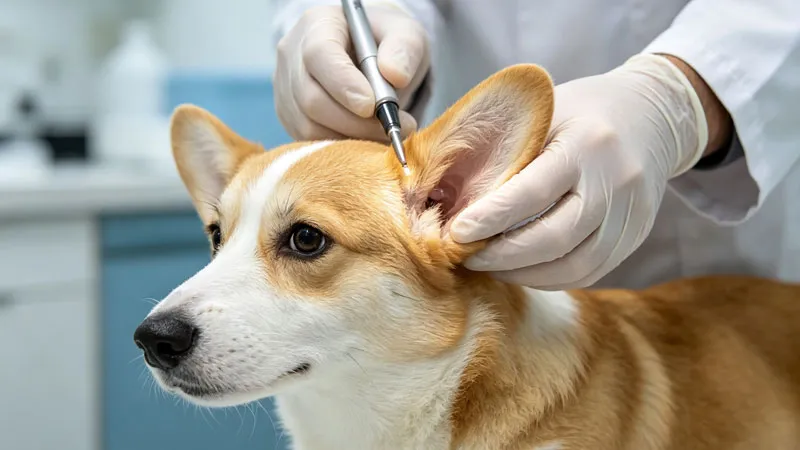
Eyes should be clear, with no squinting or discharge. Ears shouldn’t smell off or show scratching behavior. A little clear nasal discharge is normal; colored discharge isn’t.
Mouth, Bite, and Umbilical Area
Gums should be pink and moist. Check the belly for any bulge near the navel — that’s a possible umbilical hernia, which may need surgical correction later.
Breed-Specific Health Risks Worth Asking About
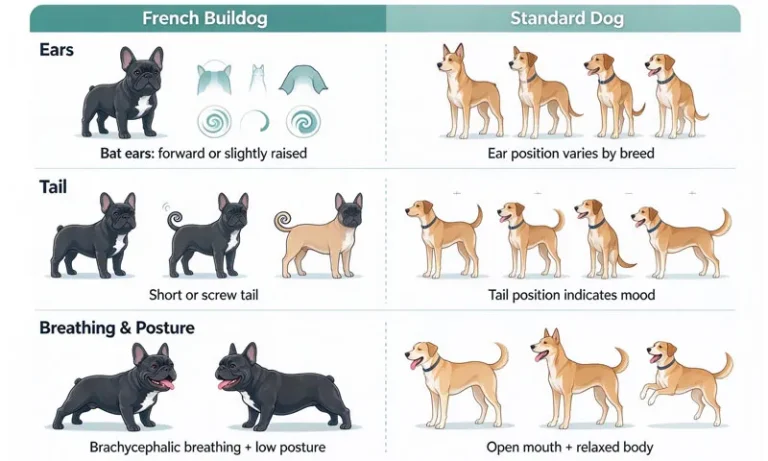
Flat-faced breeds like Bulldogs and Pugs carry elevated risk for Brachycephalic Obstructive Airway Syndrome (BOAS), which can affect breathing for life. Large breeds carry higher rates of hip dysplasia. Ask the breeder directly what’s been tested for in this specific line.
The Puppy Temperament Test: A Step-by-Step Framework
This is where most guides stop at “watch how they play.” That’s not enough.
Never Let the Breeder Choose For You
A breeder who loves every puppy equally will pick the one that works for her, not the one that fits your household. Ask for quiet, unsupervised time with the litter instead.
Read the Group Before the Individual
Watch the litter interact for a few minutes without intervening. A pushy puppy at the top of the pile often stays assertive as an adult. A puppy that hangs back consistently may need more patient handling.
The 5-Step Individual Assessment
- Social approach — Does the puppy come to you when you crouch and stay quiet?
- Recall — Call the puppy from a few feet away; note enthusiasm and speed.
- Restraint tolerance — Lift gently and note how long before they wriggle.
- Trust (inversion) test — Rolled onto their back, do they settle or fight?
- Recovery and follow — Walk away; who follows, and with what energy?
| Test Result | Personality Tendency | Suitable Owner Type | Why It’s a Fit |
|---|---|---|---|
| Explorer | Curious, high-energy, seeks novelty and stimulation | Active owners (hikers, runners, outdoor-oriented) | Needs daily physical/mental challenge; thrives with owners who travel or exercise frequently |
| Guardian | Loyal, alert, protective, forms strong one-to-few bonds | Family owners (stable households, kids) | Values routine and a defined “pack”; excels at watchfulness and consistent presence |
| Companion | Affectionate, socially driven, seeks constant closeness | Social owners (frequent visitors, multi-pet homes) | Low tolerance for isolation; rewards owners who are home often or host regularly |
| Independent | Calm, self-reliant, comfortable with solitude | Busy owners (long work hours, frequent travelers) | Needs less hands-on attention; adapts well to irregular schedules |
What Behavioral Science Actually Says About These Tests
Puppy temperament tests give you useful signals, not guarantees. Research on early puppy aptitude testing has found limited predictive power for adult behavior — environment and training after adoption matter just as much as anything measured at eight weeks. [puppy socialization and training timeline] Use these tests to narrow choices, not to lock in a prediction.
The Right Age to Bring a Puppy Home
Puppies need their mother and littermates until 7-8 weeks for healthy social development. Staying past 12 weeks can make the transition to a human household harder, since the litter bond gets stronger the longer they stay.
Why Timing Affects Long-Term Behavior
Pups removed too early often show more fear or reactivity toward other dogs. Pups kept too long can become overly bonded to their litter and slower to warm up to people.
Your First Vet Visit: The Pre-Purchase Exam
Book a vet appointment for the same day you bring your puppy home. Most reputable breeders and shelters allow a short window — often 72 hours — to have a vet confirm the puppy’s health before the deal is final.
[first-time puppy vet visit checklist]
Your vet will check the heart, eyes, teeth, joints, and run a parasite screen, and may start or update vaccinations on the spot.
Bringing Your Puppy Home: The First 72 Hours
Keep the first day low-key. Let the puppy explore on their own terms, set up a quiet sleeping area away from foot traffic, and keep the first day’s food identical to what they were already eating. Switch foods gradually if needed, over 5-7 days, to avoid stomach upset.
Frequently Asked Questions
How do I know if a puppy is healthy just by looking at it?
Check for a shiny coat, clear eyes, no discharge from the nose or ears, and even weight-bearing on all four legs. A pot belly combined with dull fur often points to parasites.
Can I do a temperament test on a puppy under 8 weeks old?
You can observe basic tendencies, but formal testing is more reliable closer to 7-8 weeks, once puppies are more physically coordinated and socially developed.
Is it better to pick the boldest puppy or the shy one?
Neither extreme is ideal for most first-time owners. A puppy in the middle of the pack — confident but not pushy — usually adapts fastest to a new household.
How much should I budget for a puppy’s first year?
Costs vary widely by size and location, but plan beyond the adoption fee for vaccines, spay/neuter, food, gear, and unexpected vet visits.
Should I bring my kids when choosing a puppy?
It’s usually better not to, at least for the temperament testing phase. Kids’ excitement can make every puppy seem equally energetic, which defeats the purpose of the assessment.
Disclaimer: This article is for general informational purposes only and does not replace professional veterinary or behavioral advice. Always consult a licensed veterinarian for guidance specific to your puppy’s health and needs.