

Can dogs eat pineapple? Yes — but the answer comes with a few important conditions most dog owners don’t know about. Fresh pineapple is packed with real nutritional benefits, including a digestive enzyme called bromelain that sets it apart from other fruits. But certain forms — and certain dogs — require extra caution. This guide covers everything: what’s safe, what’s not, exact serving sizes by weight, and the truth behind the popular “pineapple stops dogs from eating poop” claim.
Key Takeaways
- ✅ Fresh, peeled pineapple is safe for most dogs in moderation
- ✅ Bromelain, pineapple’s unique enzyme, supports protein digestion and reduces inflammation
- ⚠️ The core, skin, and leaves are choking hazards — always remove them
- ❌ Canned pineapple is off-limits due to added sugars (and potential xylitol)
- ⚠️ Dogs on medication, or with diabetes or kidney disease, need vet clearance first
Is Pineapple Good for Dogs? The Nutritional Breakdown
Fresh pineapple isn’t just a sweet treat. It delivers a surprising range of nutrients that genuinely benefit your dog’s health.
Vitamins, Minerals, and What They Actually Do
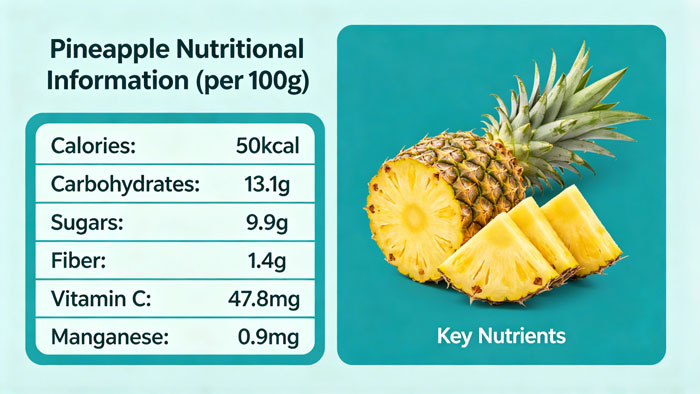
According to USDA FoodData Central, 100g of raw pineapple contains:
- Vitamin C (47.8mg): Supports immune function, reduces oxidative stress, and aids tissue repair
- Vitamin B6: Critical for brain health, hormone regulation, and red blood cell production
- Manganese: Supports bone development and enzyme activation
- Folate: Important for cell growth — especially relevant for pregnant or growing dogs
- Thiamin (B1): Powers carbohydrate metabolism and nerve function
📊 Nutrient Comparison: Pineapple vs. Common Dog-Safe Fruits (per 100g)
| Fruit | Vitamin C | Sugar | Fiber | Water % |
|---|---|---|---|---|
| Pineapple | 47.8mg | 9.9g | 1.4g | 86% |
| Blueberry | 9.7mg | 9.7g | 2.4g | 84% |
| Watermelon | 8.1mg | 6.2g | 0.4g | 91% |
| Apple | 4.6mg | 10.4g | 2.4g | 86% |
USDA FoodData Central pineapple nutritional data
The Bromelain Advantage — What Most Dog Owners Miss
This is where pineapple separates itself from every other fruit on the “safe for dogs” list.
Bromelain is a proteolytic enzyme — meaning it actively breaks down proteins in the digestive tract. For dogs, this translates to easier digestion, reduced gut inflammation, and better nutrient absorption. Some veterinary research also points to bromelain’s role in reducing post-injury swelling and supporting joint health.
One important caveat: bromelain is heat-sensitive. Canning and cooking destroy it almost entirely. If you’re feeding pineapple for bromelain’s benefits, fresh is the only form that counts.
Hydration You Can Eat
At 86% water content, pineapple is one of the most hydrating snacks you can offer. On hot days or after a long walk, a few cold pineapple chunks work as a functional treat — not just a tasty one.
Is Pineapple Safe for Dogs? 4 Risks Worth Knowing
1. The Parts You Must Always Remove
Never feed your dog:
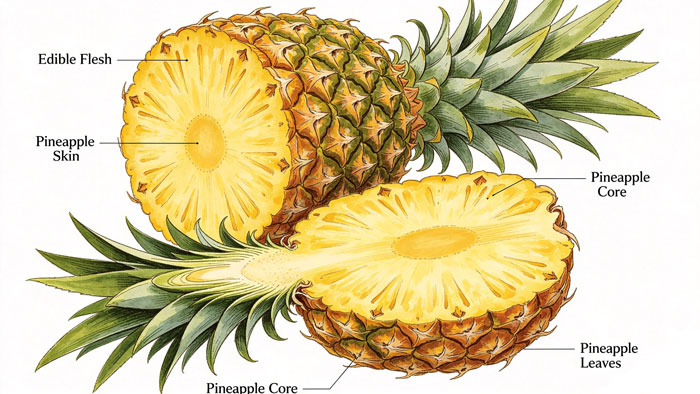
- The core: Dense, fibrous, and tough enough to cause a digestive blockage
- The skin/rind: Spiky exterior can lacerate the mouth and GI tract
- The crown leaves: Irritating to the digestive system and a potential choking hazard
Only the soft inner flesh is appropriate for dogs.
2. Sugar and Digestive Overload
Pineapple contains about 9.9g of natural sugar per 100g. That’s not high by human standards — but dogs process sugar differently. Too much causes:
- Loose stool or diarrhea
- Bloating and gas
- Blood sugar spikes (especially dangerous for diabetic dogs)
Treats — including pineapple — should never exceed 10% of your dog’s daily caloric intake. That rule applies here without exception.
3. Medication Interactions — A Warning Most Articles Skip
Bromelain isn’t just a digestive aid. It actively interacts with certain medications, including antibiotics and blood thinners. If your dog is on any regular medication, check with your vet before adding pineapple to their diet. The acidity of pineapple can also alter how quickly certain drugs are absorbed.
This isn’t a theoretical risk — it’s a practical one that deserves a direct conversation with your vet.
4. Xylitol Warning: Always Read the Label
Fresh pineapple is fine. But some canned or flavored pineapple products contain xylitol — an artificial sweetener that is extremely toxic to dogs, even in small amounts. Symptoms of xylitol poisoning include vomiting, loss of coordination, seizures, and liver failure.
If you ever buy any pineapple product rather than cutting a fresh one yourself, read the ingredient label completely before it goes anywhere near your dog.
ASPCA Animal Poison Control Center xylitol toxicity information
Pineapple Forms Compared: What’s Safe and What’s Not
| Form | Safe? | Bromelain Intact | Sugar Risk | Verdict |
|---|---|---|---|---|
| Fresh | ✅ Yes | ✅ High | Low | Best choice |
| Frozen (unseasoned) | ✅ Yes | Moderate | Low | Great summer treat |
| Dried | ⚠️ Limited | Low | High | Avoid store-bought |
| Canned (in syrup) | ❌ No | None | Very high | Never feed |
| Juice | ⚠️ Tiny amounts only | Moderate | High | Rarely, if ever |
complete guide to safe and unsafe fruits for dogs
How Much Pineapple Can a Dog Eat? Serving Guide by Weight
Standard Serving Sizes
| Dog Size | Weight | Serving Size | Max Frequency |
|---|---|---|---|
| Extra-Small | 2–10 lbs | 1 small chunk (~10g) | 2x/week |
| Small | 11–25 lbs | 2–3 small chunks | 2–3x/week |
| Medium | 26–50 lbs | 4–5 chunks | 3x/week |
| Large | 51–90 lbs | Small handful | 3–4x/week |
| Extra-Large | 90+ lbs | Larger handful | 3–4x/week |
Special Cases: Puppies, Diabetic Dogs, and Senior Dogs
Puppies: Their digestive systems are still developing. Start with one tiny piece and wait 24 hours before offering more. If no reaction, you can occasionally include it as a treat.
Diabetic or obese dogs: Pineapple’s sugar content makes it a higher-risk treat for these dogs. It’s not automatically off-limits, but it requires vet sign-off and careful portion control. Don’t assume “it’s fruit, so it’s fine.”
Dogs with kidney disease: Pineapple contains potassium, which can be problematic for dogs with compromised kidney function. Consult your vet before offering any.
If your dog eats too much: Watch for vomiting, diarrhea, or lethargy within 2–6 hours. If symptoms are severe or persist beyond 12 hours, contact your vet.
how to identify food allergies and intolerances in dogs
Can Pineapple Stop Dogs from Eating Poop? The Real Answer
This is one of the most Googled questions about dogs and pineapple — and it deserves a straight answer, not a one-liner.
The theory: bromelain changes the smell or taste of a dog’s stool, making it less appealing to eat. This idea has circulated in dog owner communities for years.
The reality: there is no peer-reviewed clinical evidence that pineapple reliably stops coprophagia (the medical term for stool-eating). The behavior itself has multiple root causes — nutritional deficiencies, boredom, anxiety, learned behavior, or underlying health conditions. Treating it with a fruit fix misses the actual problem.
The American Veterinary Society of Animal Behavior (AVSAB) recommends addressing coprophagia through behavioral assessment, dietary evaluation, and veterinary examination — not home remedies.
Bottom line: if pineapple happens to be in your dog’s diet and they seem less interested in poop, that’s likely coincidence. If the behavior is consistent, talk to your vet.
How to Safely Prepare Pineapple for Your Dog
Step-by-step:
- Choose a ripe, fresh pineapple (not pre-cut in syrup)
- Slice off the crown and base
- Remove the outer skin completely using a sharp knife
- Cut out the firm inner core
- Slice the flesh into bite-sized chunks — roughly 1-inch cubes for medium-to-large dogs, smaller for smaller breeds
- Serve immediately, or freeze in a single layer on a baking sheet for a summer treat
Creative serving ideas:
- Mix a few chunks into their regular wet food
- Freeze with a little plain unsweetened yogurt in a silicone mold
- Use as high-value training treats (small pieces, high reward)
FAQ: Dogs and Pineapple
Not recommended. Even though it’s safe, daily feeding increases cumulative sugar intake. Two to three times a week, in appropriate portions, is a better habit.
No. Both are choking hazards and difficult to digest. The core can cause intestinal blockage; the skin’s rough exterior can injure the mouth and GI tract.
In small amounts, yes — but senior dogs are more prone to blood sugar issues and digestive sensitivity. Start with very small quantities and monitor carefully.
It’s uncommon, but possible. Signs of a reaction include itching, hives, facial swelling, or GI upset within a few hours of eating. If any of these appear, stop feeding pineapple and contact your vet.
Yes. Bromelain can interfere with antibiotics and blood thinners. Always check with your vet if your dog is on any regular medication before adding pineapple to their diet.