

Do dogs need sunblock? Yes — but not every dog, and not all the time. Some breeds burn in under an hour. Others rarely need a thing. Get this wrong and you risk painful burns or worse, skin cancer down the road. This guide breaks down exactly who’s at risk, which SPF actually works, and how to apply it right.
Do Dogs Need Sunblock? The Short Answer
Not every dog needs it. But if your dog has light skin, thin fur, or spends real time outside, sunblock isn’t optional — it’s basic care.
The risk is real. Squamous cell carcinoma, one of the most common sun-related skin cancers in dogs, shows up most often on thinly-furred areas like the belly, nose, and ears. Vets see it constantly in dogs who never wore sun protection. [Veterinary Cancer Society]
Three quick checks tell you where your dog stands:
- Coat color and thickness. Light or thin fur means less natural UV shielding.
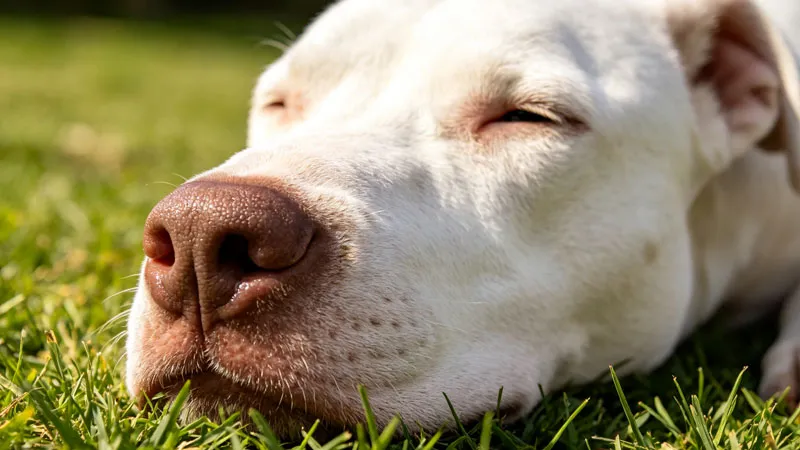
- Skin pigment. Pink noses and pale bellies burn faster than dark skin.
- Time outdoors. A dog on daily hikes needs more protection than one who does quick bathroom breaks.
Which Dogs Are Most at Risk of Sunburn?
High-Risk Breeds: Light or Thin Coats
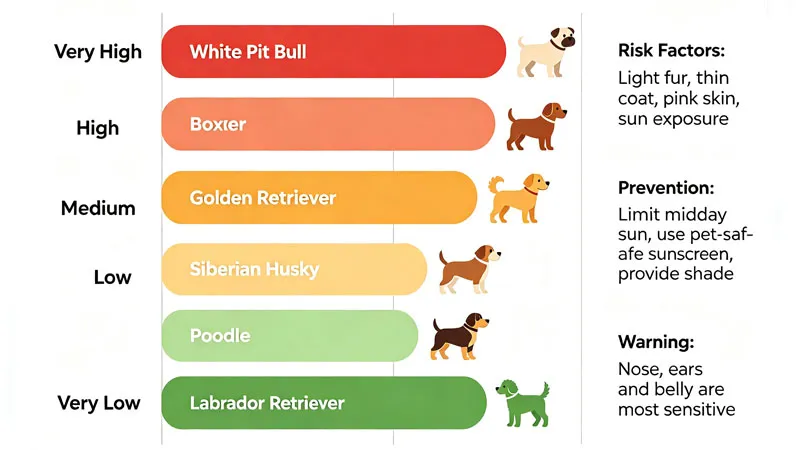
Dalmatians, Boxers, Pit Bulls, Greyhounds, and Chinese Cresteds top the list. Here’s why: less melanin in the skin means less natural defense against UV rays. It’s the same reason fair-skinned people burn faster than those with darker skin.
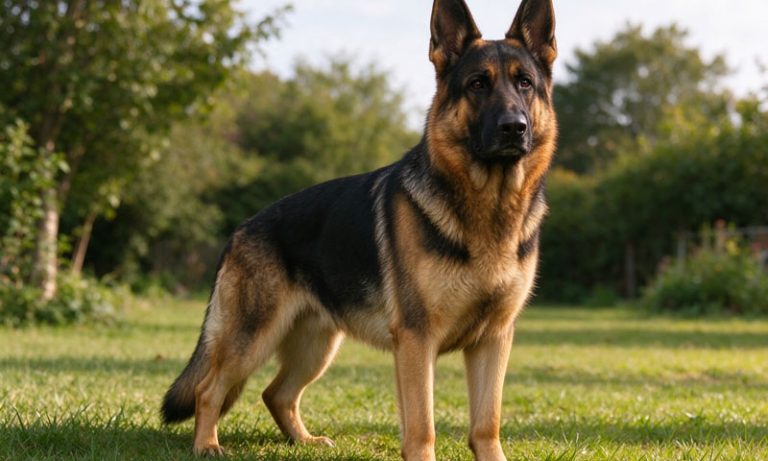
Dogs with dark, dense coats — German Shepherds, Newfoundlands — get more built-in protection. But even they can burn on the nose or belly.
Life Stage Matters: Puppies and Senior Dogs
Puppy skin hasn’t finished developing its protective barrier. Senior dogs lose skin thickness and immune resilience with age. Both groups need extra caution, even if their breed isn’t typically high-risk.
Post-Surgery, Shaved, or Skin-Condition Dogs
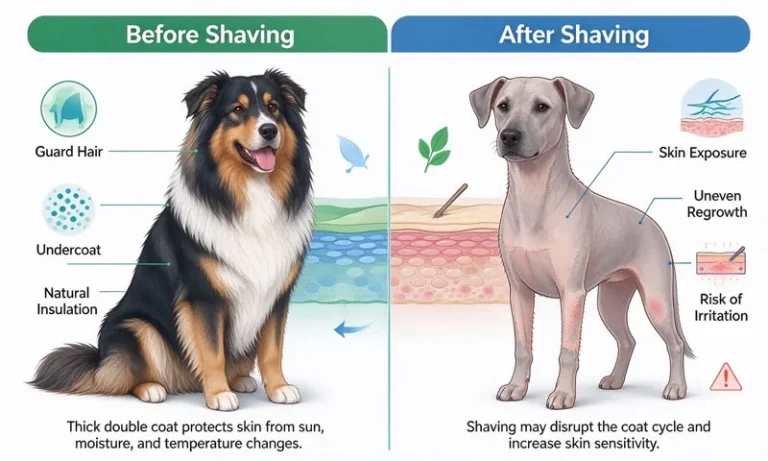
A freshly shaved surgical site has zero fur coverage and often thinner, more sensitive skin underneath. Same goes for bald patches from allergies or hot spots. These areas need sun protection just as much as a naturally hairless breed does. [Clinical recommendations from veterinary dermatologists on ultraviolet protection for post-operative shaved areas]
How to Tell If Your Dog Has a Sunburn
Common Signs: Redness, Peeling, Sensitivity
Watch for redness, flaking, or a dog that suddenly won’t stop licking their belly or ears. Sensitive spots feel warm to the touch. Your dog may flinch when you touch the area.
Sunburn vs. Other Skin Conditions: How to Tell the Difference
This trips up a lot of owners. Redness alone doesn’t confirm sunburn — allergies and fungal infections look similar at first glance.
| Condition | Where It Shows Up | Key Signs | Needs a Vet? |
|---|---|---|---|
| Sunburn | Nose, ears, belly, groin | Warm skin, sun-exposed areas only, appears after outdoor time | Mild: no. Severe: yes |
| Allergic reaction | Paws, face, armpits | Itching everywhere, hives, swelling | Often yes |
| Fungal infection | Anywhere, often circular patches | Hair loss, crusty rings, odor | Yes |
If the redness only shows up on sun-exposed skin and appeared right after a day outside, sunburn is the likely cause. If it’s spread across the body or has an odor, that’s a different problem entirely.
When Sunburn Becomes an Emergency
Mild redness heals at home. Blisters, oozing, fever, or a lethargic dog mean it’s time to call your vet. Don’t wait it out. [Professional recommendations on the grading and treatment standards for sunburn in the veterinary emergency department]
Is Human Sunscreen Safe for Dogs?
No. Never use your own sunscreen on your dog.
Dangerous Ingredients to Avoid
Zinc oxide and salicylates are common in human sunscreens and toxic to dogs if licked or ingested. Zinc oxide poisoning can damage red blood cells and cause serious gastrointestinal upset. PABA carries similar risks.
If your dog licks or eats sunscreen: Watch for vomiting, diarrhea, lethargy, or loss of coordination. Don’t induce vomiting on your own. Call the ASPCA Animal Poison Control Center immediately and follow their guidance, then get to a vet. [ASPCA Animal Poison Control emergency guidance]
What Makes a Sunscreen “Dog-Safe”
Look for products made specifically for pets, free of zinc oxide and salicylates.
How to Choose the Best Sunscreen for Dogs
Understanding SPF for Dogs
SPF 15 covers most moderate-risk dogs for casual outdoor time. Light-skinned, thin-coated breeds or hairless dogs need SPF 30 or higher, especially for beach days or long hikes. [Clinical study on the duration of protection for different SPF values in veterinary dermatology]
Beneficial Ingredients to Look For
Aloe vera and vitamin E soothe and support the skin barrier without added risk. These aren’t required, but they help with dogs prone to dryness or irritation.
Format Comparison: Spray vs. Stick vs. Lotion vs. Wipes
| Format | Best For | Watch Out For |
|---|---|---|
| Spray | Large coverage areas | Inhalation risk — spray away from the face |
| Stick | Nose, ears, precise spots | Slower for full-body coverage |
| Lotion | Sensitive-skin dogs | Needs more rubbing time to absorb |
| Wipes | Quick touch-ups on the go | Less coverage per wipe |
How to Apply Dog Sunscreen Correctly
Where to Apply
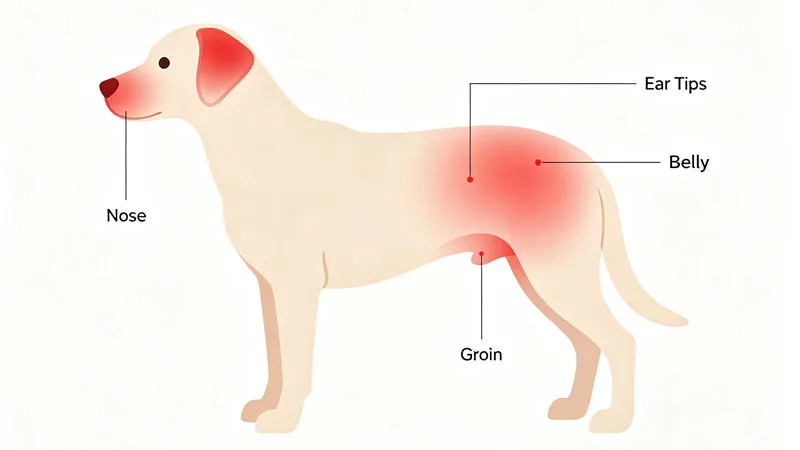
Focus on the nose, ear tips, belly, groin, and any shaved or thin-furred patches. Skip the eyes and any spot your dog will lick immediately.
Timing and Reapplication Schedule
Apply 15-20 minutes before heading out. Reapply every two to three hours, and immediately after swimming.
Common Application Mistakes to Avoid
Owners often apply too thin a layer, skip the ear tips entirely, or miss the risk of a dog licking product off their lips. Rub it in fully — a light dusting on top of the fur does nothing.
Beyond Sunscreen: Additional Sun Protection Strategies
UV-Protective Clothing
A lightweight sun shirt covers large areas without daily reapplication. Great for dogs who hate topical products.
Timing Outdoor Activities
UV rays peak between 10 AM and 4 PM. Shift walks earlier or later when you can. [Best Times to Walk Your Dog in Summer Heat]
Creating Shade and Avoiding Reflective Surfaces
Water, sand, and concrete all bounce UV rays back up, increasing exposure even in the shade. Pop-up tents and umbrellas help cut this down at the beach or park.
How to Treat a Sunburned Dog at Home
Immediate At-Home Care Steps
Move your dog indoors right away. Apply a cool — not ice-cold — compress. Pure aloe vera gel with no added ingredients works well on mild burns.
What NOT to Do
Skip human burn sprays with benzocaine or lidocaine. Both are toxic to dogs.
Recovery Timeline and Signs of Infection
Mild sunburn typically heals within a week. Watch for oozing, worsening swelling, or a foul smell — signs of secondary infection that need a vet visit. [veterinary skin infection warning signs]
Frequently Asked Questions
Can dogs with dark fur still get sunburned?
Yes. Dark fur offers better protection than light fur, but exposed skin like the nose can still burn.
How often should I reapply sunscreen on my dog?
Every two to three hours, and immediately after swimming or heavy water play.
Can I make homemade dog sunscreen?
No. Homemade formulas lack tested UV protection and often use ingredients unsafe for dogs. Stick to products made and tested for pets.
Do dog sunscreens expire?
Yes. Check the expiration date — expired sunscreen loses its UV-blocking effectiveness, even if the texture looks unchanged.
Disclaimer: The content of this article is for informational purposes only and cannot replace professional veterinary diagnosis and treatment advice. If your dog shows symptoms of sunburn or accidentally ingests sunscreen products, please contact your veterinarian or a pet poison control hotline immediately.