

Does Italian Greyhound shed? Yes — but not the way most breed guides describe it. Their single coat sheds year-round in tiny amounts, not seasonally in clumps. What matters more is knowing when shedding stops being normal. This guide covers grooming, allergies, hidden costs, and the health signs vets actually watch for.
Does Italian Greyhound Shed? The Short Answer, Backed by Data
Yes, Italian Greyhounds shed. But their coat works differently from most breeds you’ve owned before.
They have a single coat with no undercoat. That single detail changes everything. Double-coated breeds like Labradors or Huskies blow their undercoat twice a year — hair comes out in fistfuls. Italian Greyhounds don’t have an undercoat to blow. They shed a steady, low-level trickle instead.
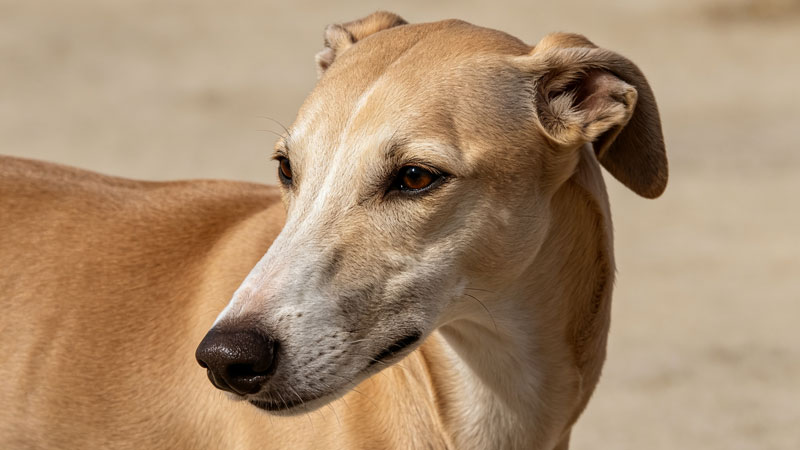
Shedding Level: Low (2 out of 5) on most breed shedding scales, compared to a 4-5 for double-coated breeds.
Why Their Coat Type Makes Shedding Different From Other Breeds
Every hair follicle cycles through growth (anagen), rest (telogen), and shedding (exogen) phases. In double-coated breeds, huge batches of undercoat hair sync up and drop together — that’s why you get “shedding season.” Italian Greyhounds don’t have that synchronized undercoat cycle. Their hair falls out individually, continuously, in amounts too small to notice most days.
Canine coat biology and shedding cycles
Italian Greyhound Shedding vs. Other “Low Shedding” Breeds
If you’re comparing breeds before deciding, here’s how Italian Greyhounds stack up against other commonly recommended low-shedding options.
| Breed | Coat Type | Shedding Level | Hypoallergenic? | Grooming Frequency |
|---|---|---|---|---|
| Italian Greyhound | Single, short | Low | No | Weekly brush |
| Whippet | Single, short | Low-Moderate | No | Weekly brush |
| Poodle | Curly, dense | Very Low | Closer, not true | Every 4-6 weeks (professional) |
| Chinese Crested | Hairless/Powderpuff varies | Very Low | No | Skin care, minimal brushing |
| Xoloitzcuintli | Hairless or coated | Very Low | No | Skin moisturizing needed |
Italian Greyhounds land in a sweet spot: low shedding without the grooming bills a Poodle requires, and without the skin maintenance a hairless breed needs.
Are Italian Greyhounds Hypoallergenic?
No. And any breeder or blog that tells you otherwise is stretching the truth.
Allergies aren’t triggered by fur volume alone. The real culprits are proteins in dander, saliva, and urine. Fur just carries those proteins around your house. An Italian Greyhound sheds less fur, so it spreads fewer allergens than a heavy-shedding breed. That’s a real advantage. It’s not the same as hypoallergenic.
Dog allergen proteins and hypoallergenic breed myth
What Allergy Sufferers Should Actually Test Before Committing
Don’t take a blog’s word for it if you have allergies. Do this instead:
- Spend extended time with an adult Italian Greyhound before adopting, not just a quick meet-and-greet
- Ask your allergist about Can f1 protein testing
- Visit the breeder’s home multiple times across different days
- Consider a trial fostering period if the breeder or rescue allows it
Reactions vary person to person. What works for one allergy sufferer won’t work for another.
When Shedding Isn’t Normal: Health Conditions That Cause Hair Loss
Most breed guides stop at “they shed a little.” That leaves owners unprepared to spot a real problem. Watch for these signs:
- Bald patches or thinning in specific spots
- Excessive scratching or licking one area
- Brittle, dull coat texture
- Red or flaky skin underneath thinning fur
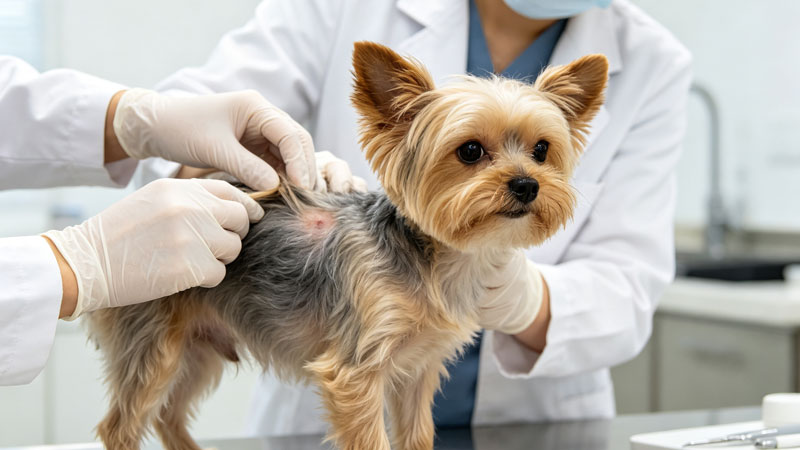
Alopecia and Skin Conditions Common in Italian Greyhounds
Blue-coated Italian Greyhounds carry a higher risk of Color Dilution Alopecia, a genetic condition where the dilute pigment gene weakens hair follicles over time. It shows up as patchy thinning, usually starting on the back and flanks. There’s no cure, but a vet dermatologist can help manage skin health and prevent secondary infections.
Italian Greyhound genetic health conditions and vet screening
Thyroid, Stress, and Nutritional Causes of Abnormal Shedding
Hypothyroidism slows metabolism and often shows up first as coat changes — thinning, dryness, or excess shedding. Italian Greyhounds are also sensitive, anxious dogs by temperament. Chronic stress and separation anxiety can trigger stress-shedding, similar to how humans lose more hair during stressful periods.
If shedding suddenly increases or looks abnormal, see your vet before trying home remedies. Self-diagnosing skin and coat issues usually delays real treatment.
How to Groom an Italian Greyhound to Minimize Shedding at Home
Best Tools for Their Coat Type
Skip stiff bristle brushes. Their skin is thin and their coat is fine, so a rubber curry brush or grooming mitt works best. It lifts loose hair without irritating skin, and most owners find a 5-minute weekly session is enough.
best grooming tools for short-haired dog breeds
Bathing Frequency and Skin Health
Bathe every 6-8 weeks. More often than that strips natural oils and can actually increase shedding and dryness. Use a pH-balanced dog shampoo — human shampoo or harsh formulas disrupt their already-sensitive skin barrier.
Diet’s Role in Coat Health
A diet with adequate Omega-3 and Omega-6 fatty acids supports skin barrier function and reduces excess shedding tied to dry skin. Fish-based proteins or a vet-recommended supplement can make a visible difference within 6-8 weeks.
Do Clothes Really Reduce Shedding Mess? What They Actually Do
Clothing doesn’t stop shedding. It contains loose hair so it doesn’t end up on your couch, and it keeps your dog warm — which matters more than most owners realize.
Italian Greyhounds have very low body fat and almost no insulating undercoat. Below 60°F, most Italian Greyhounds get cold fast. Clothing is a thermoregulation tool first, a mess-control bonus second.
Choosing Safe, Breathable Fabrics
Pick breathable cotton or fleece blends. Avoid tight synthetic fabrics that trap moisture against sensitive skin, and make sure sizing allows full leg movement — their build is narrow but their stride is long.
The Real Cost of Owning a Low-Shedding Breed Like the Italian Greyhound
Low shedding doesn’t mean low cost. Here’s what most guides leave out.
| Expense Category | Estimated Annual Cost (USD) |
|---|---|
| Grooming tools & shampoo | $50-80 |
| Clothing (coats, sweaters) | $100-200 |
| Dental cleaning (professional) | $300-700 |
| Skin/coat vet visits (if needed) | $150-400 |
| Pet insurance | $400-600 |
| Food (premium, small breed) | $400-600 |
Total realistic range: $1,400-$2,580 per year, not counting emergency vet care. Their fragile bone structure also means higher injury-related vet bills than sturdier breeds.
Is an Italian Greyhound Right for You? A Fit Checklist
- You live in an apartment or have limited outdoor space ✓
- You or a family member has mild allergies (not severe) ✓
- You work from home or have flexible hours ✓
- You don’t have very young children who might play too rough ✓
- You live somewhere with cold winters and can commit to dog clothing ✓
- You want a dog that bonds closely and doesn’t do well alone all day ✓
If most of these match your lifestyle, an Italian Greyhound is a strong fit.
Frequently Asked Questions
Does an Italian Greyhound shed more in summer?
No noticeable seasonal spike. Because they lack an undercoat, their shedding stays fairly consistent year-round instead of surging in warm months.
Do Italian Greyhound puppies shed more than adults?
Puppies often go through a coat transition around 4-6 months as their adult coat comes in, causing a brief, mild increase in shedding.
Can supplements reduce Italian Greyhound shedding?
Omega-3 supplements can help with dry-skin-related shedding, but they won’t eliminate normal shedding. Always check with your vet before adding supplements.
Do Italian Greyhound mixes shed differently than purebreds?
It depends on the other breed in the mix. A mix with a double-coated breed may shed seasonally, unlike a purebred Italian Greyhound.
How do I find a responsible breeder who screens for coat and skin issues?
Ask for health clearances covering genetic skin conditions and request to see the parents’ coat condition in person, not just photos.
Final Verdict: What to Expect and When to Ask Your Vet
Italian Greyhounds shed lightly and consistently — expect minimal cleanup, not zero cleanup. Watch for bald patches, excessive scratching, or sudden coat changes, and don’t wait to call your vet if something looks off. With the right grooming routine and realistic budget, their coat is one of the easiest parts of owning this breed.
Disclaimer: This article is for general informational purposes only and does not replace professional veterinary advice. Always consult a licensed veterinarian for concerns about your dog’s health, coat, or skin condition.